

Programme
The Poetics of the Past – The Cinema of František Vlácil
Regarded as the greatest Czech filmmaker of all time, František Vláčil (1924-1999) contributed to some of the finest cinematic achievements to emerge from the nation. Born in Český Těšín in 1924, he studied briefly at Prague’s School of Industrial Arts, before conceding that he was ‘no Picasso’ and transferring to Masaryk University in Brno. There he became involved in animation and puppetry, and when it came time for Vláčil to fulfil his compulsory military service, he was placed within the Army Film Studio.
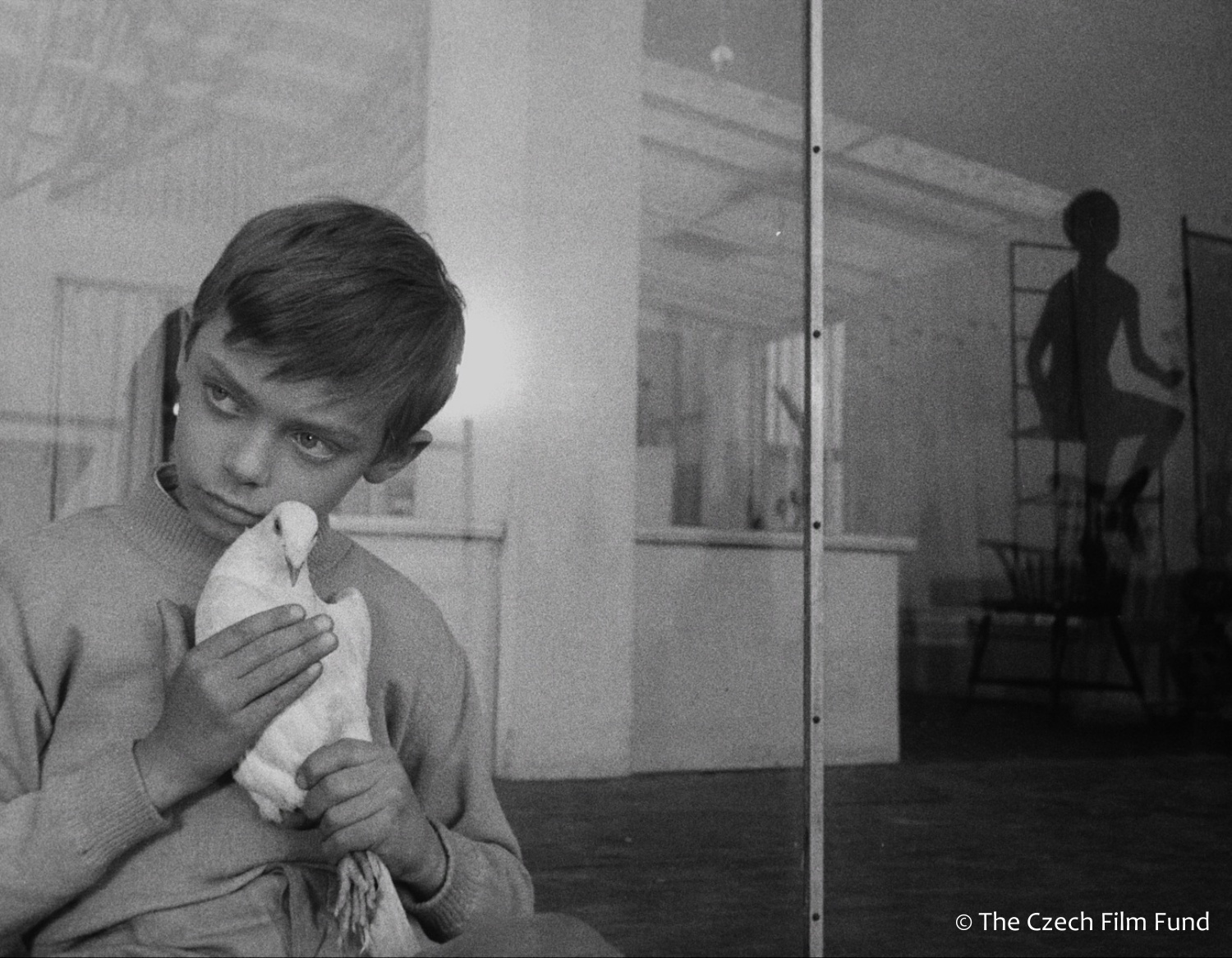
During this seven-year stint, from 1951-1958, Vláčil worked on several instructional and propaganda films, alongside fellow future filmmaker Karel Kachyňa, as well as cinematographer Jan Čuřík, with whom Vláčil would collaborate numerous times. Their visually meditative short film, Clouds of Glass, which dramatised a young boy’s infatuation with fighter pilots, transcended its military trappings, receiving a special prize at the Venice International Documentary and Short Film Festival in 1958.
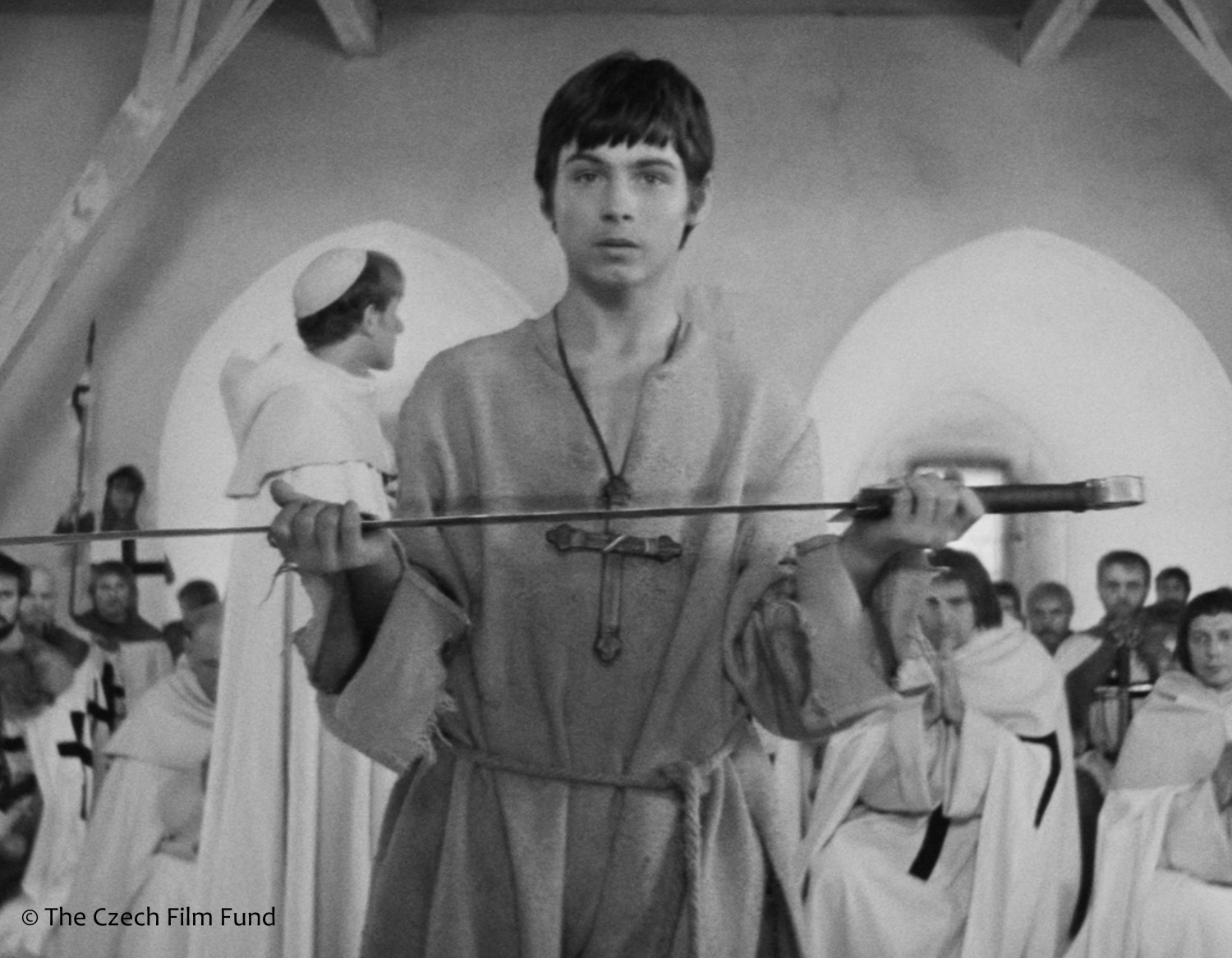
After leaving the army, Vláčil directed his first feature, The White Dove, in 1960, which was honoured at the Venice Film Festival and brought the filmmaker international recognition. From there, he embarked on what would eventually become a trilogy of lavishly reconstructed historical dramas, beginning with 1962’s The Devil’s Trap. He followed this up with the hugely ambitious medieval romance Marketa Lazarová, which established Vláčil on the world stage and was voted the greatest Czech movie of all time.
Vláčil is regarded as a prominent member of the Czechoslovak New Wave. Unlike many of the younger directors who focused on contemporary issues of their time, Vláčil turned his gaze towards the depth of history, addressing socio-political concerns allegorically. By adapting surreal and avant-garde motifs, he transformed historical drama into a timeless metaphysical exploration that examines themes of freedom, violence, and the possibility of grace, resulting in a transcendent audiovisual symphon.