

2026
The Melancholy of Existence – Béla Tarr’s Contemplative Cinema
‘When you gaze into the abyss, the abyss also gazes into you.’ (Nietzsche)
Béla Tarr’s (1955–2026) camera does [...]
‘When you gaze into the abyss, the abyss also gazes into you.’ (Nietzsche)
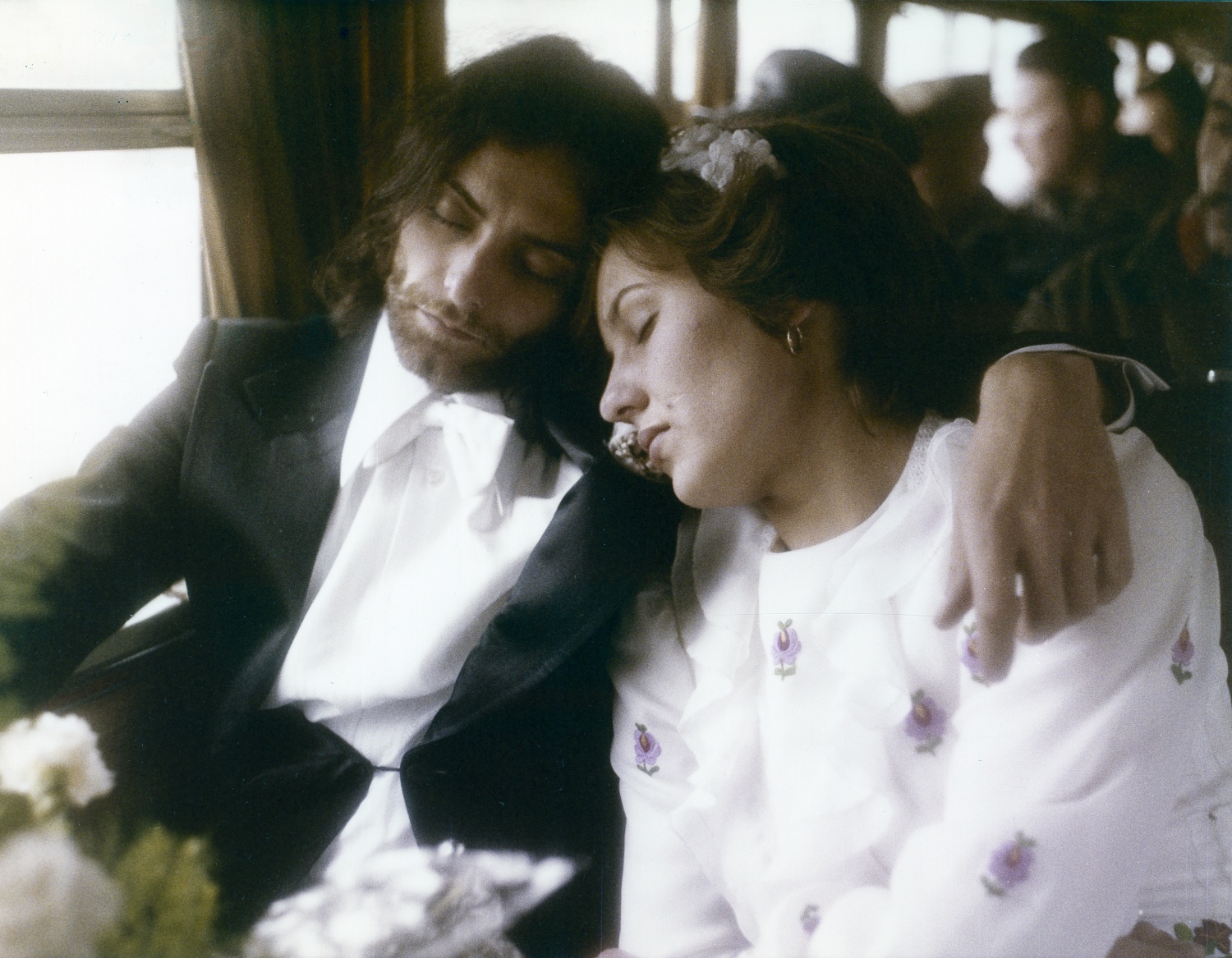
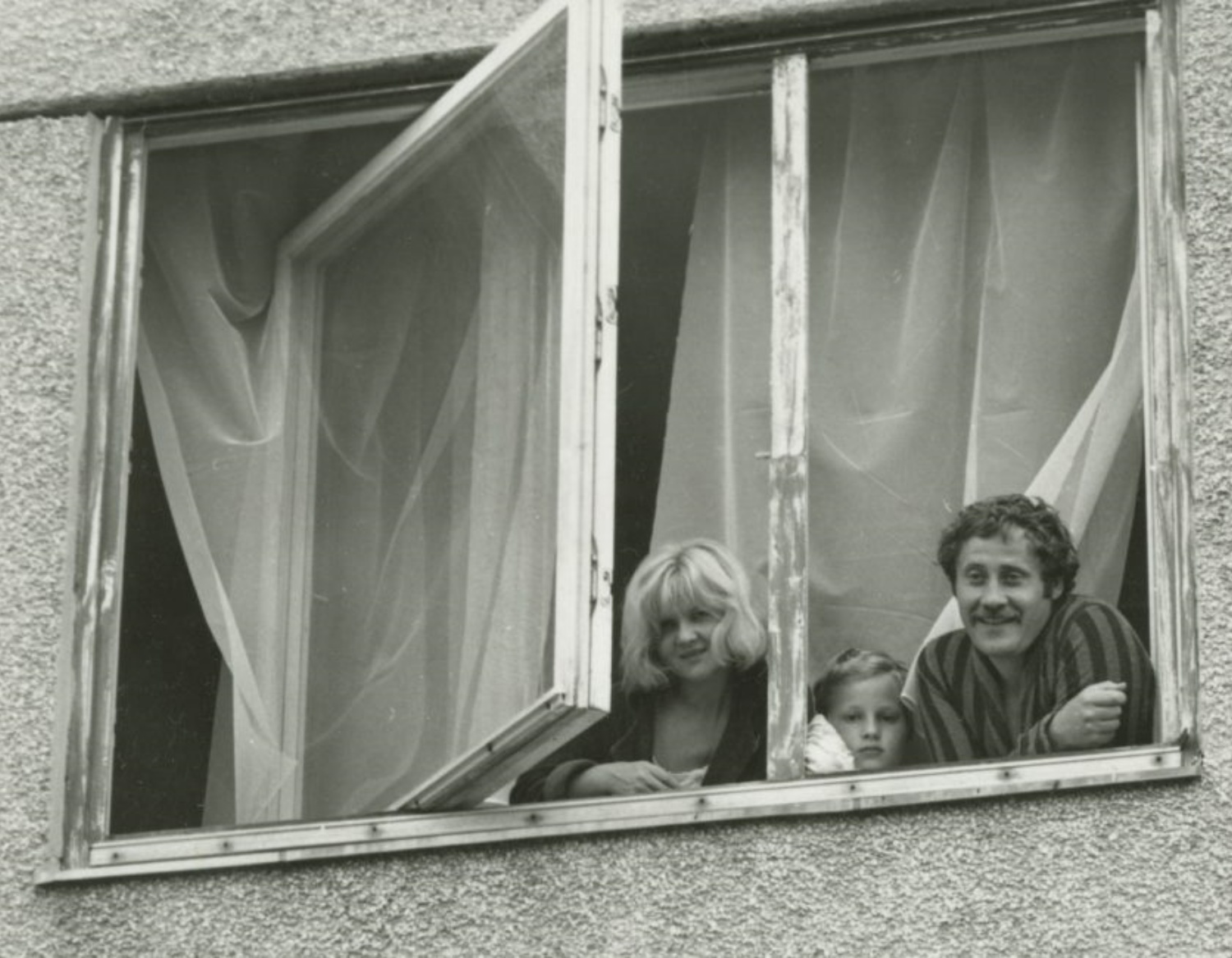
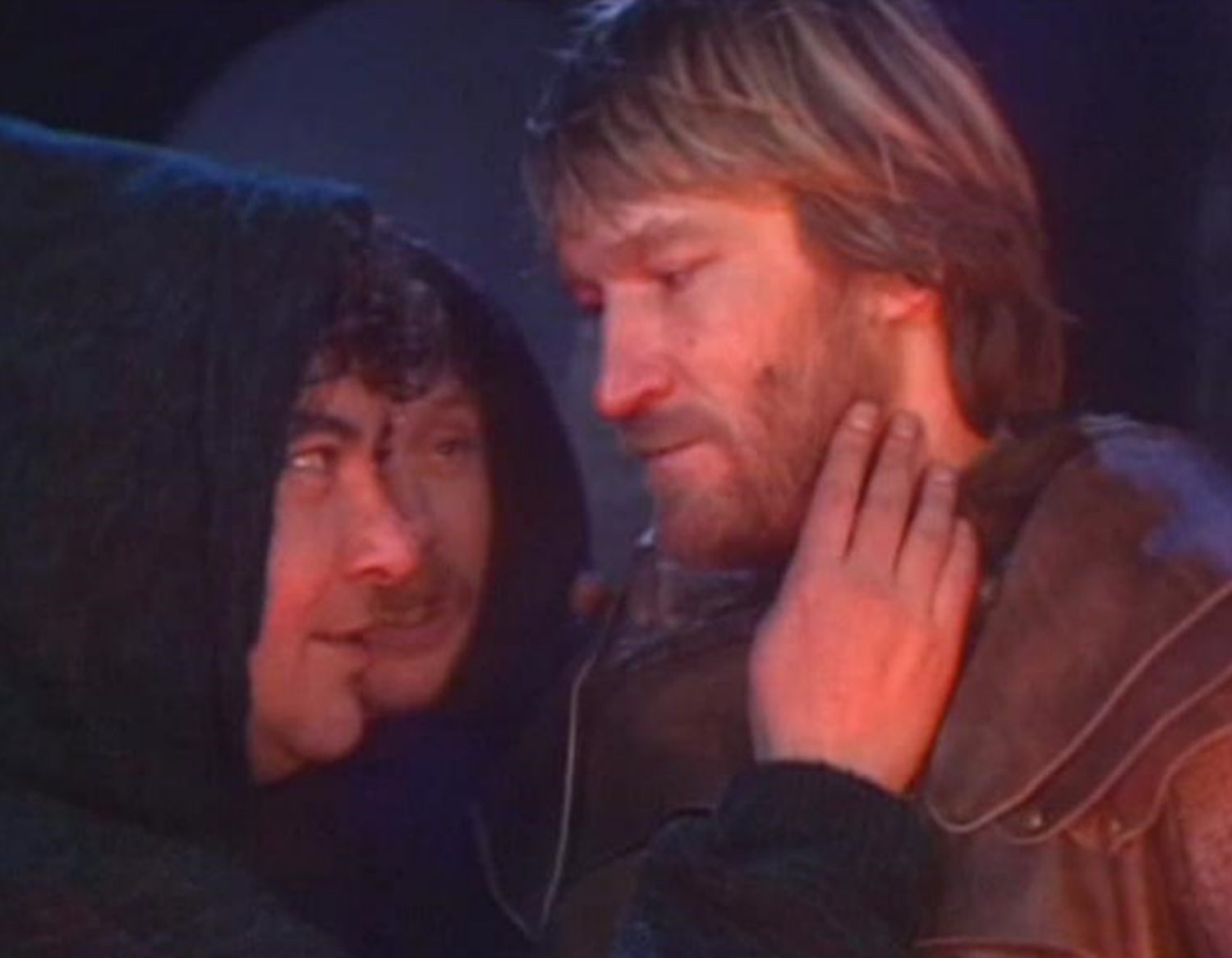
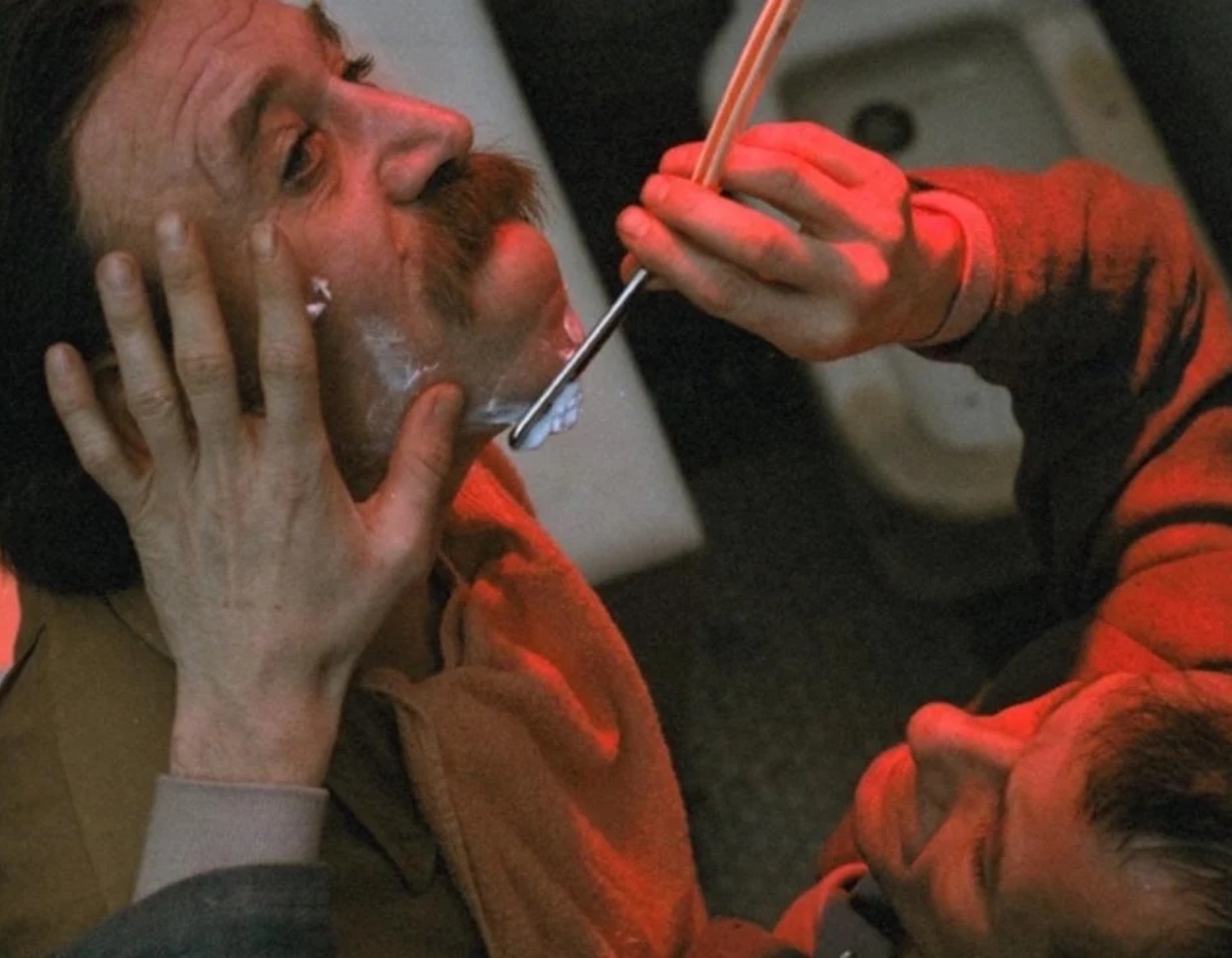
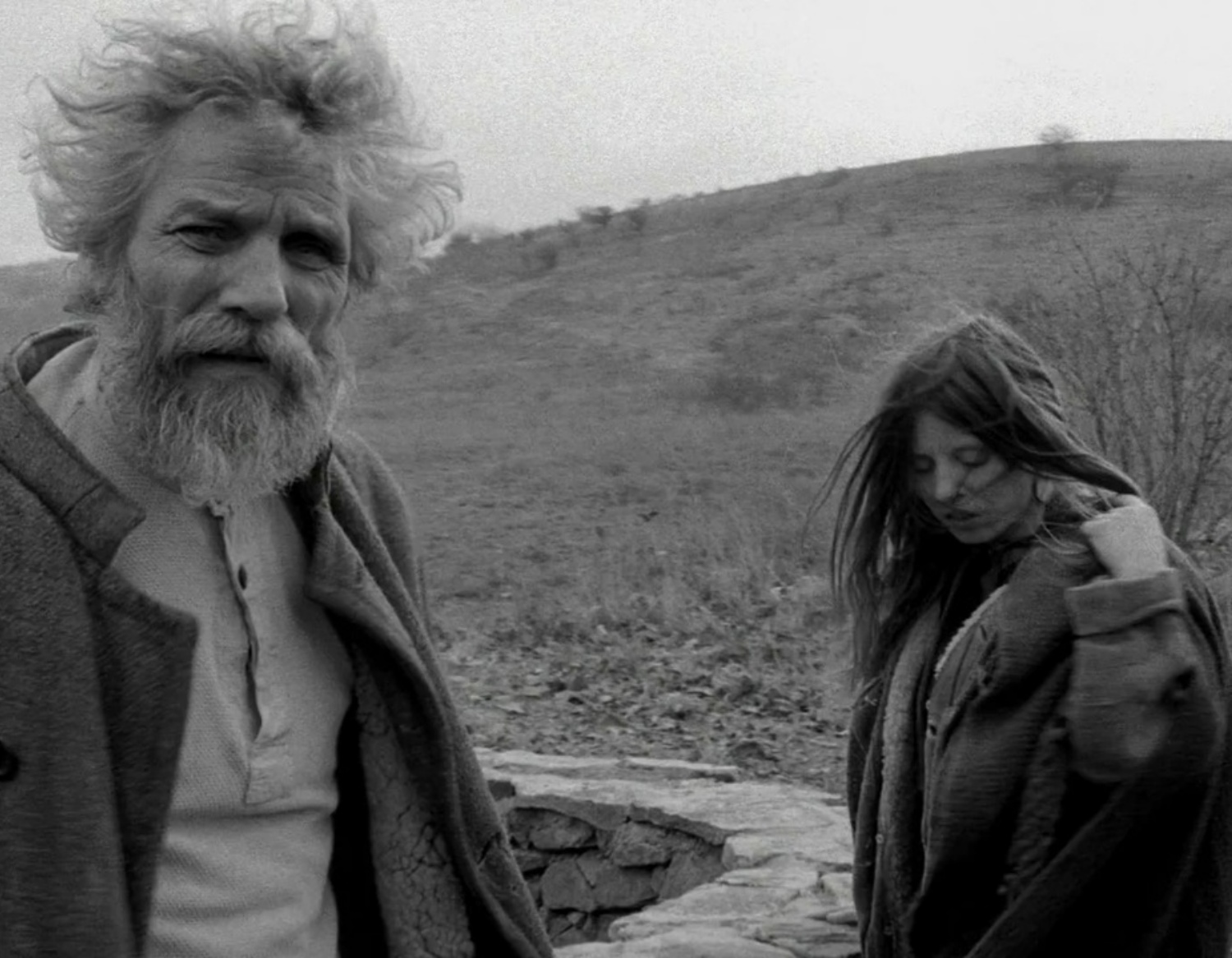
Béla Tarr’s (1955–2026) camera does not gaze into the abyss, but lives within it.
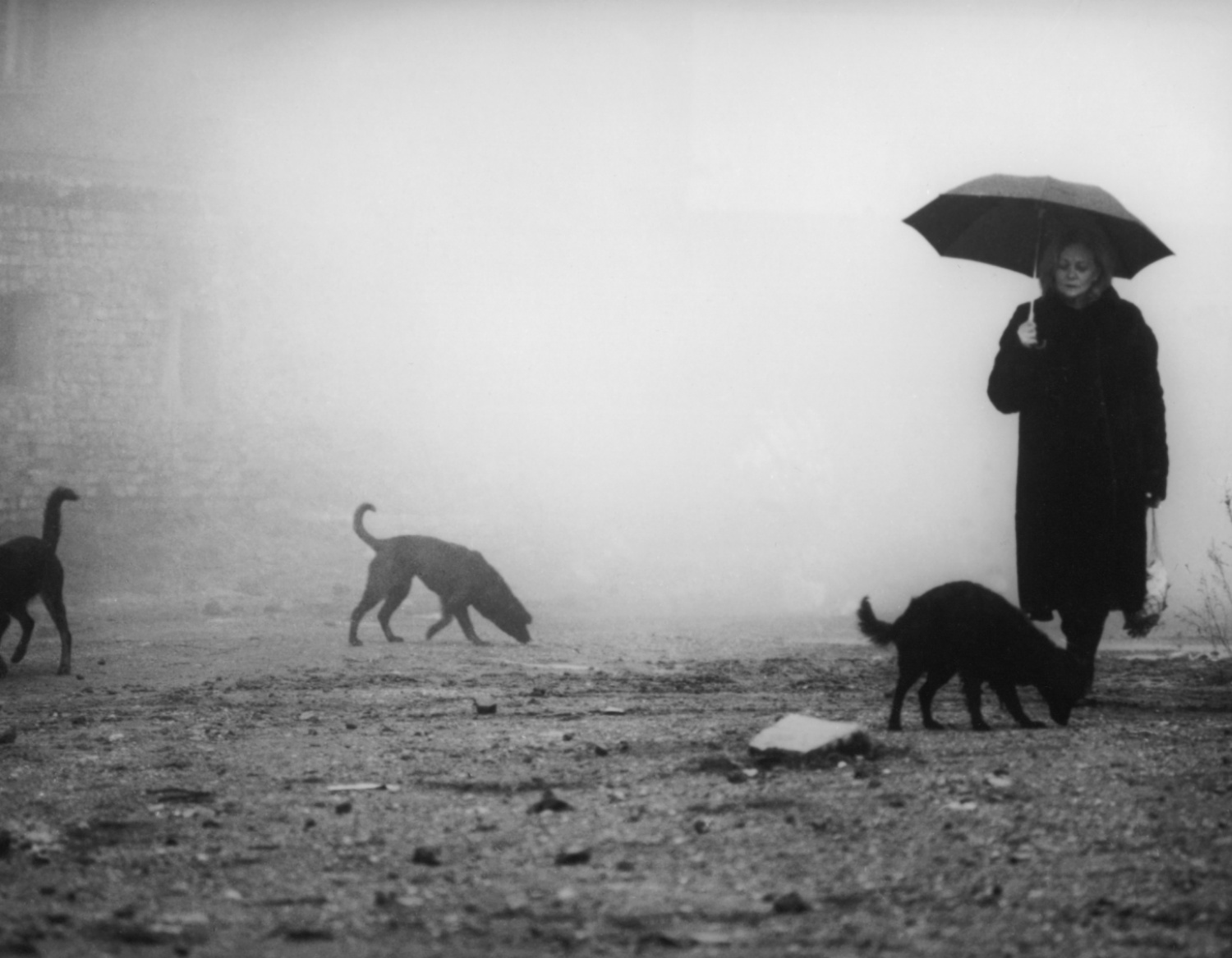
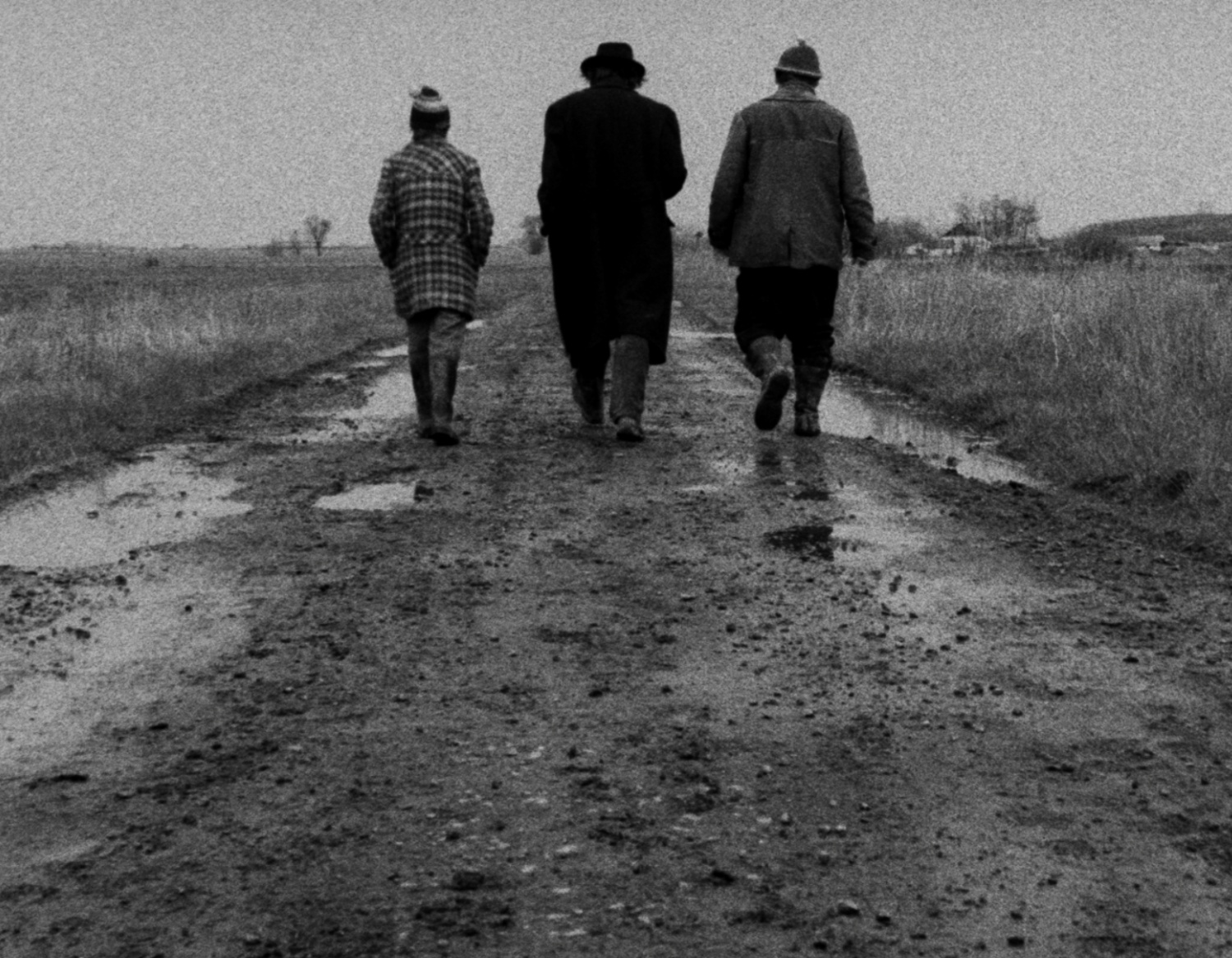
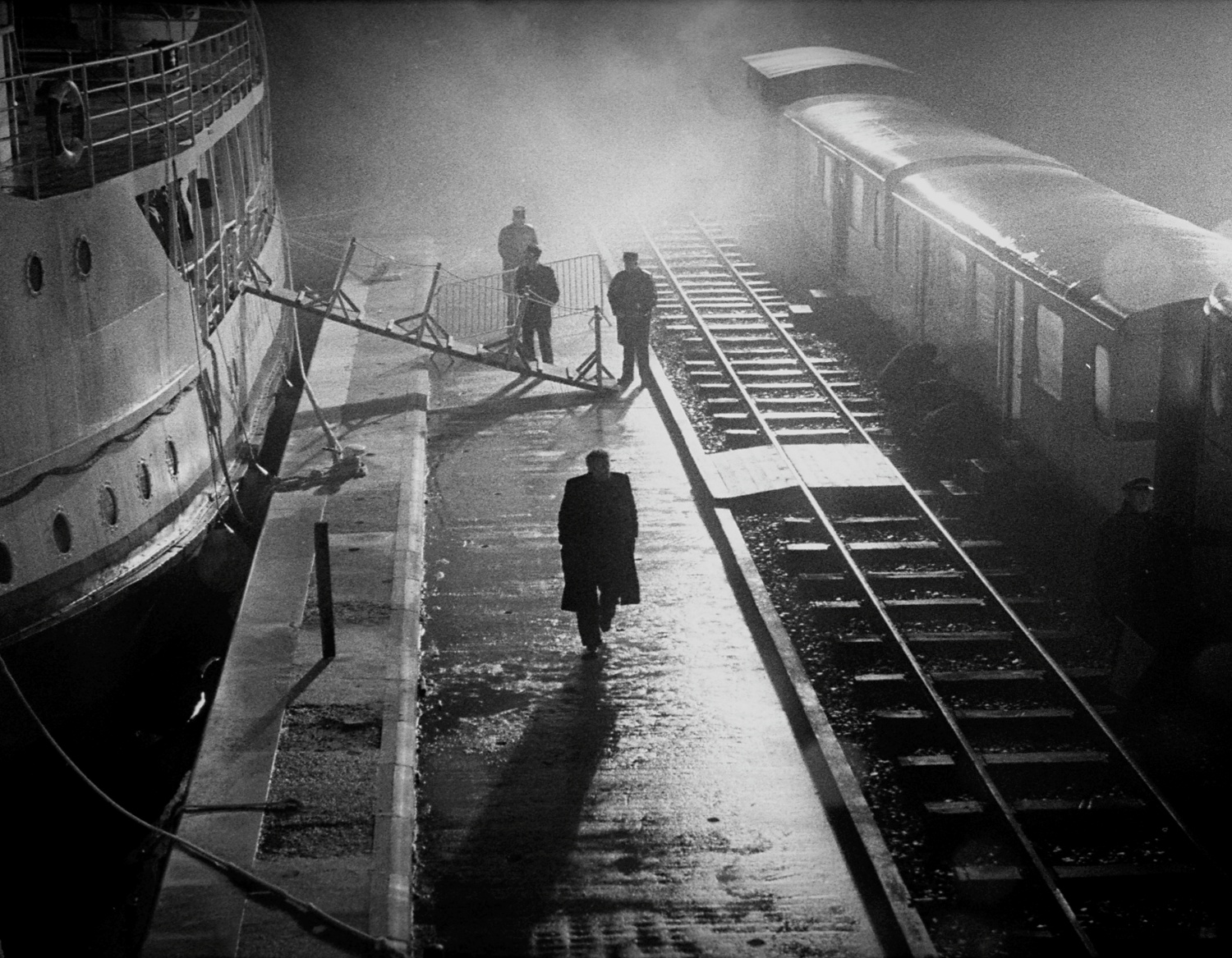
A cable car line glides slowly along the lowering skyline. A herd of cows wanders aimlessly through muddy fields. Tarr’s establishing shots, imbued with a captivating mystery, gradually draw us into the characters’ world – the loneliness of a man staring out of a window, and the inescapable isolation of the villagers. We see what they see, and feel what they feel. These landscapes of desolate beauty are merely spaces that surround, penetrate, or even reject them.
Rain, gale, and mist invade their gaze, and their very being. This is what Damnation has forewarned: ‘The fog seeps into every corner, it penetrates the lungs, and installs itself, at last, in the soul itself.’ In Satantango, the downpour has been transformed into an internal rain, that springs forth from the heart and floods the entire body and soul. Incarcerated by fate, all attempts at escape prove futile; in the end, all that remains is a puddle beneath the rain, from which the dogs drink. If the abyss had a voice, it would be the endless howling of the gale in The Turin Horse.
The Hungarian maestro’s approach to slow cinema goes beyond mere camera movement or aesthetic style; it represents a unique way of perceiving and reflecting on life and humanity. His exquisitely crafted long takes serve as an assemblage of ‘crystals of time’, embodying the cosmic passage as in Werckmeister Harmonies. These ‘time-images’ contain no fragments, let alone montage; each moment is a microcosm, and every sequence shot has a duty to the time of the world.
From social realist films to metaphysical and formalist works, Tarr reiterated that it is always the same film that he makes: the story of a broken promise, of a voyage that returns to its point of departure. The difference between Family Nest and The Turin Horse is that no explanation is worth anything anymore; it’s only the same horizon that urges individuals to leave and then sees them home again.
Trapped in an apocalyptic world, humanity finds itself lost in a never-ending cycle of despair, with life reduced to repetition until its final extinction. The dystopia created by László Krasznahorkai through convoluted and complex sentences is sublimated within Tarr’s melancholic, mesmerising, and profoundly meditative black-and-white imagery, made with the support of his wife and editor Ágnes Hranitzky. In this world, redemption is betrayed by love, kindness is devoured by madness, and existence dissolves into nothingness…
In the end, wind, water, horse, food, human, and light vanish one by one over the course of six days, plunging everything into utter darkness. What some might interpret as pessimism, nihilism, and despair are fundamentally Tarr’s profound musings into the ‘reality’ and revelation of human existence. It is only by walking through the valley of the shadow of death that one can truly embody human dignity.
‘All my movies are comedies!’ declared Tarr, ‘except The Turin Horse’. It’s only in the darkness of the abyss that one can see the brightest light. Tarr’s closing statement leaves behind a benediction for humanity itself.
The Poetics of the Past – The Cinema of František Vlácil
Regarded as the greatest Czech filmmaker of all time, František Vláčil (1924-1999) contributed to some of [...]
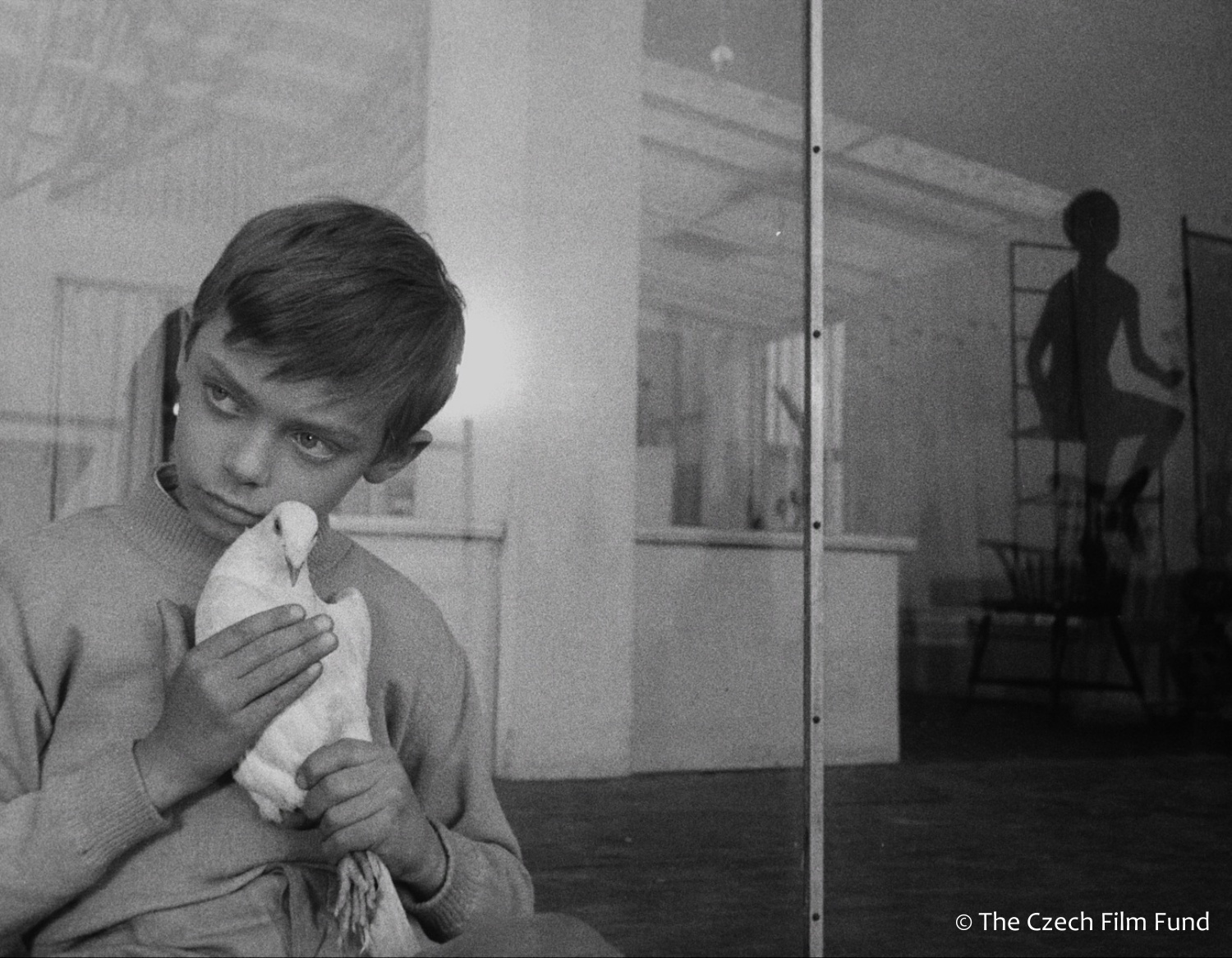
Regarded as the greatest Czech filmmaker of all time, František Vláčil (1924-1999) contributed to some of the finest cinematic achievements to emerge from the nation. Born in Český Těšín in 1924, he studied briefly at Prague’s School of Industrial Arts, before conceding that he was ‘no Picasso’ and transferring to Masaryk University in Brno. There he became involved in animation and puppetry, and when it came time for Vláčil to fulfil his compulsory military service, he was placed within the Army Film Studio.
During this seven-year stint, from 1951-1958, Vláčil worked on several instructional and propaganda films, alongside fellow future filmmaker Karel Kachyňa, as well as cinematographer Jan Čuřík, with whom Vláčil would collaborate numerous times. Their visually meditative short film, Clouds of Glass, which dramatised a young boy’s infatuation with fighter pilots, transcended its military trappings, receiving a special prize at the Venice International Documentary and Short Film Festival in 1958.
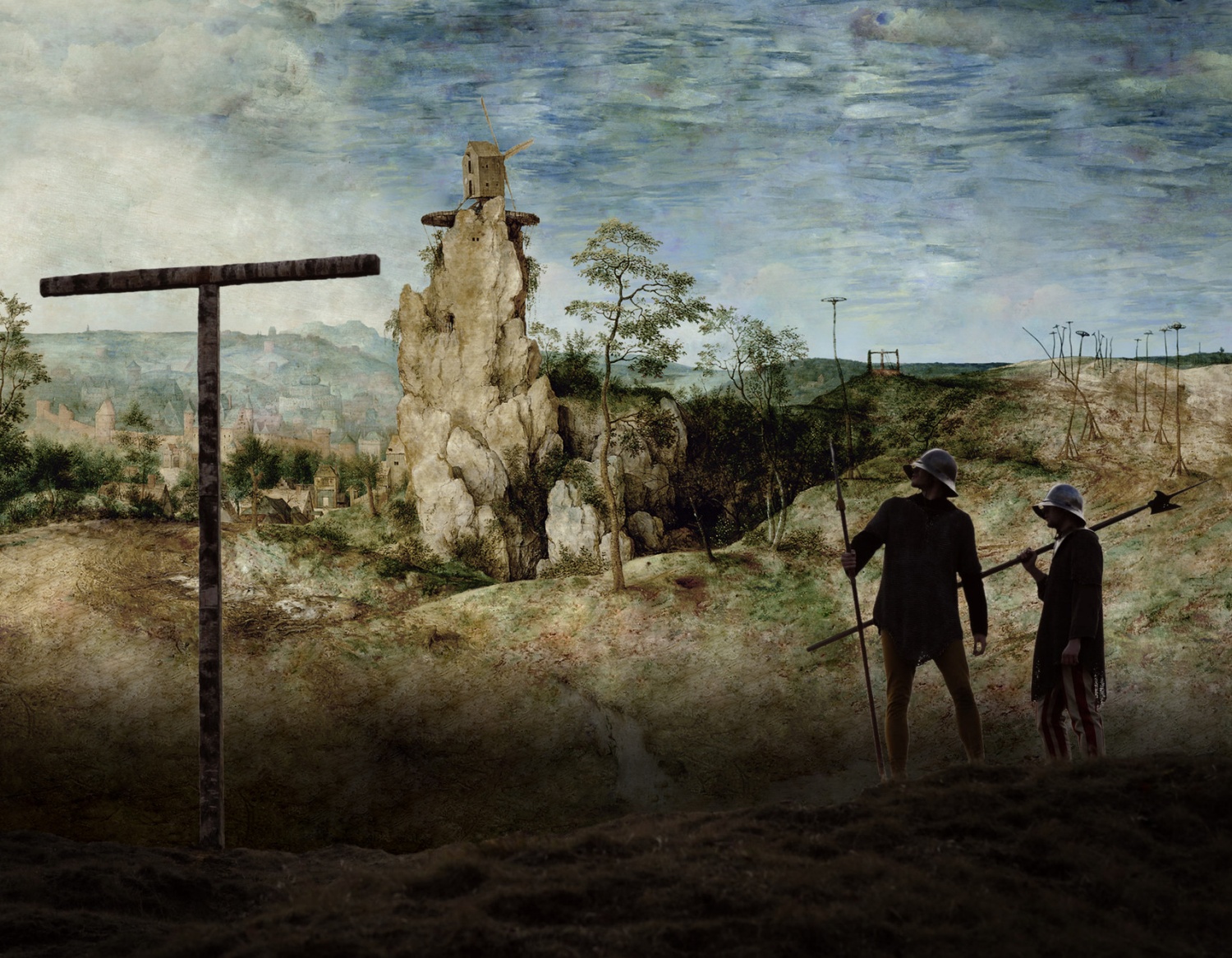
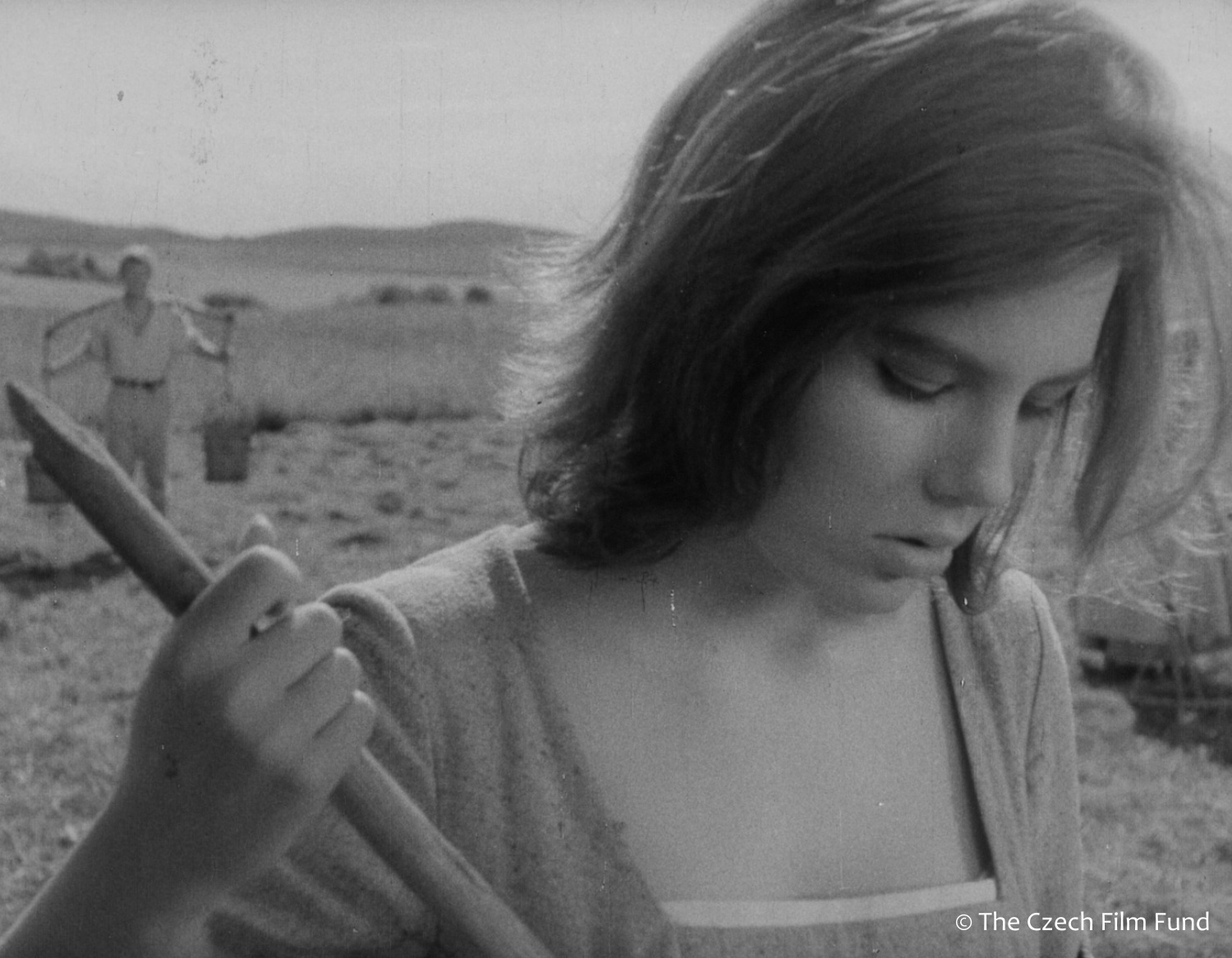
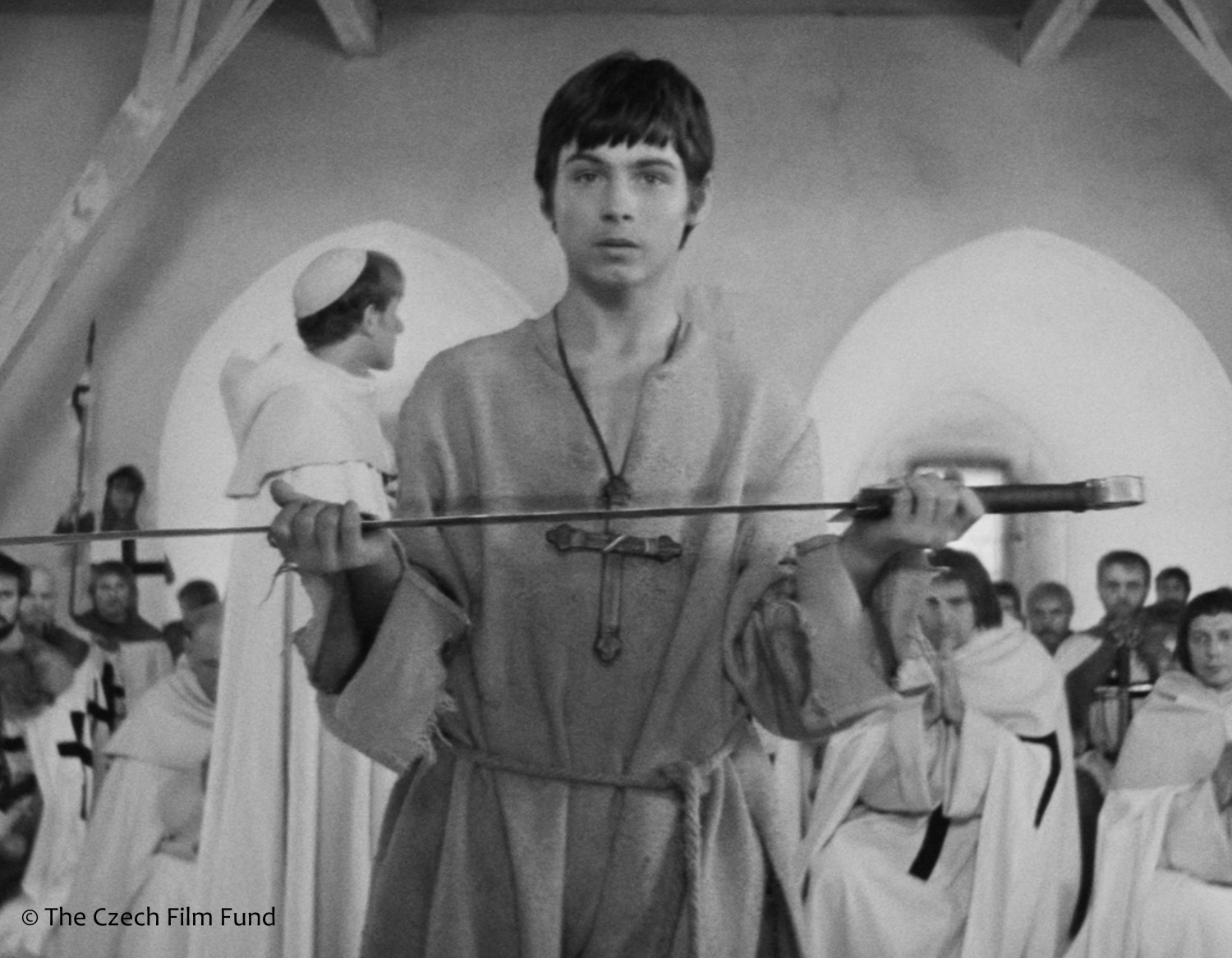
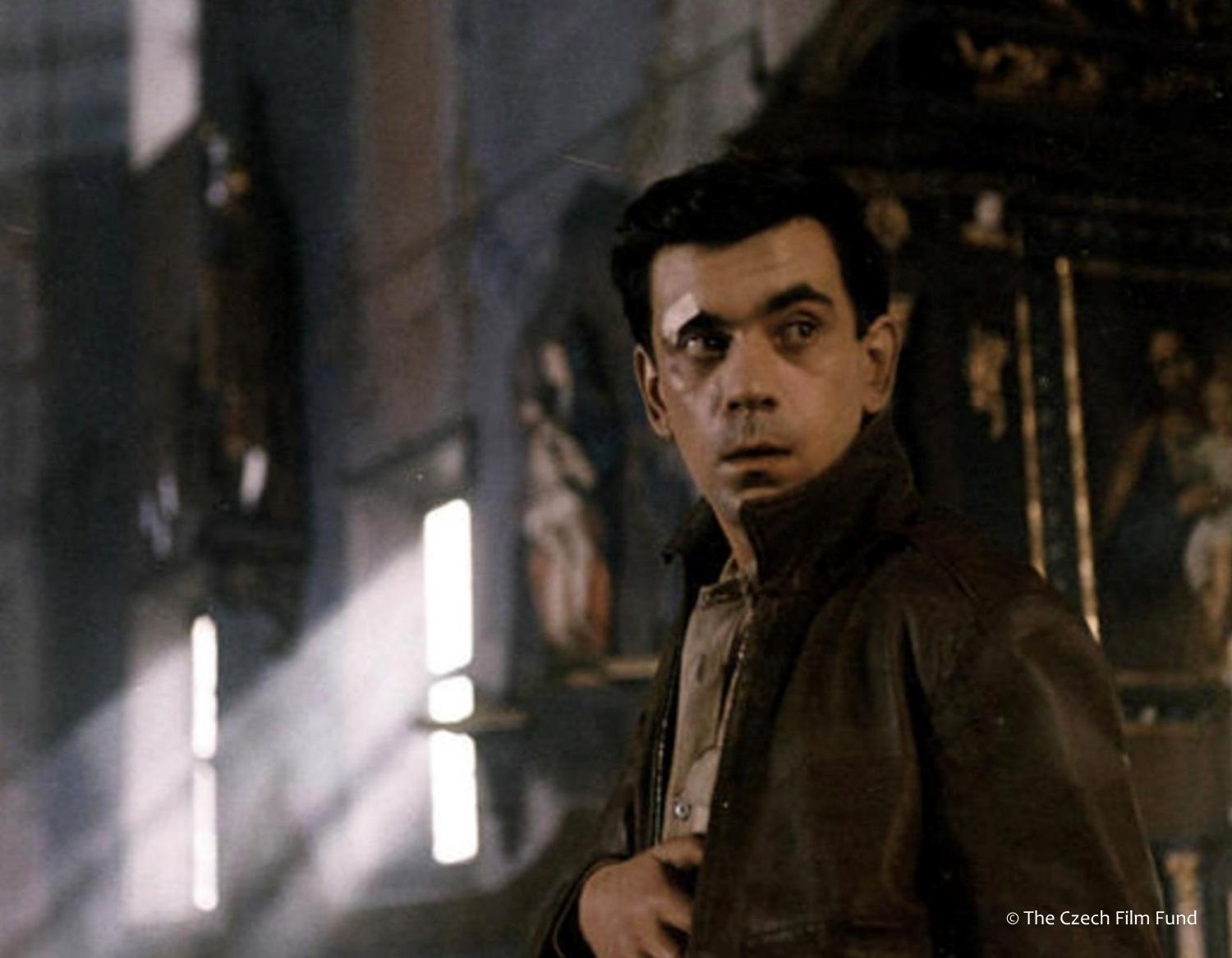
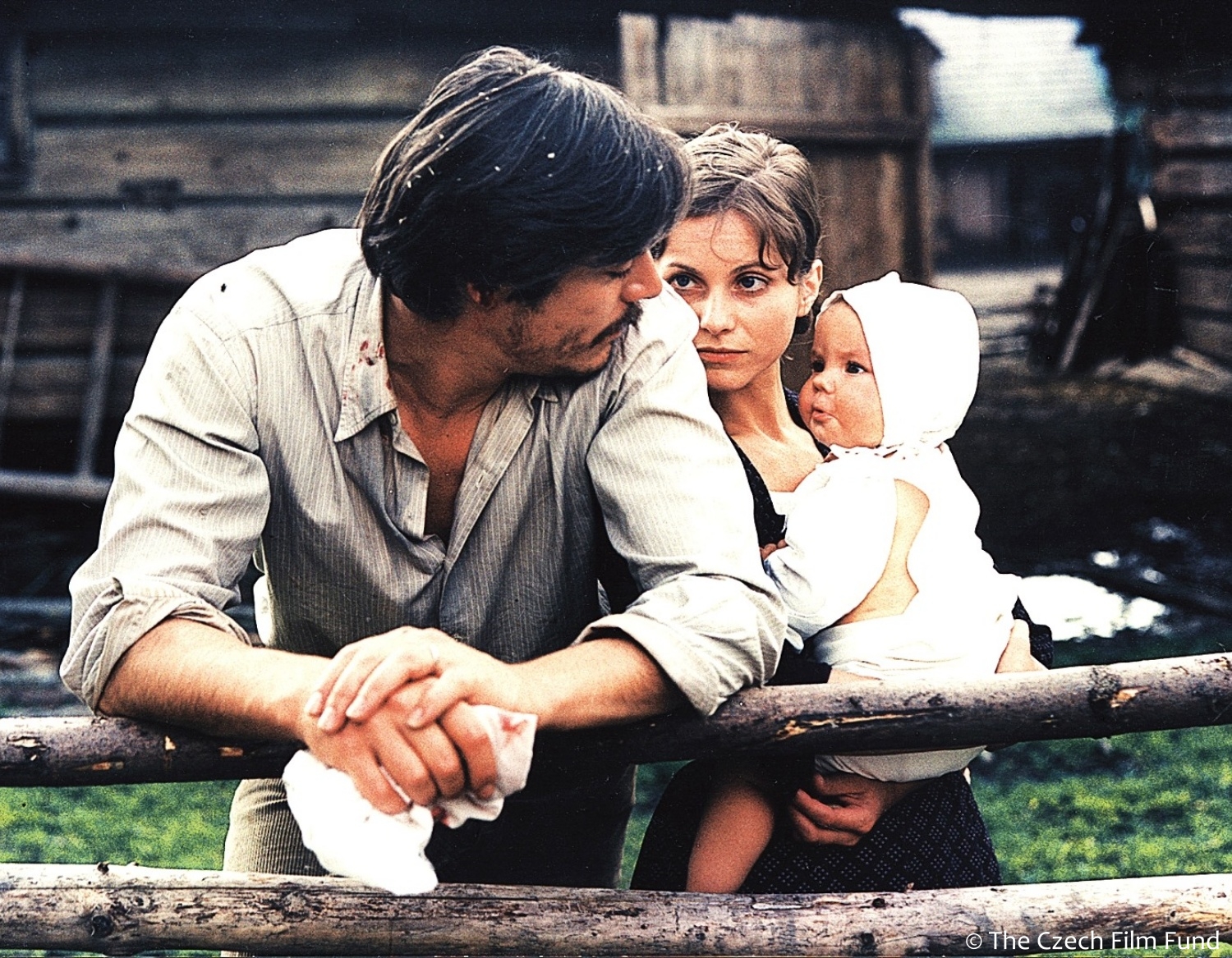
After leaving the army, Vláčil directed his first feature, The White Dove, in 1960, which was honoured at the Venice Film Festival and brought the filmmaker international recognition. From there, he embarked on what would eventually become a trilogy of lavishly reconstructed historical dramas, beginning with 1962’s The Devil’s Trap. He followed this up with the hugely ambitious medieval romance Marketa Lazarová, which established Vláčil on the world stage and was voted the greatest Czech movie of all time.
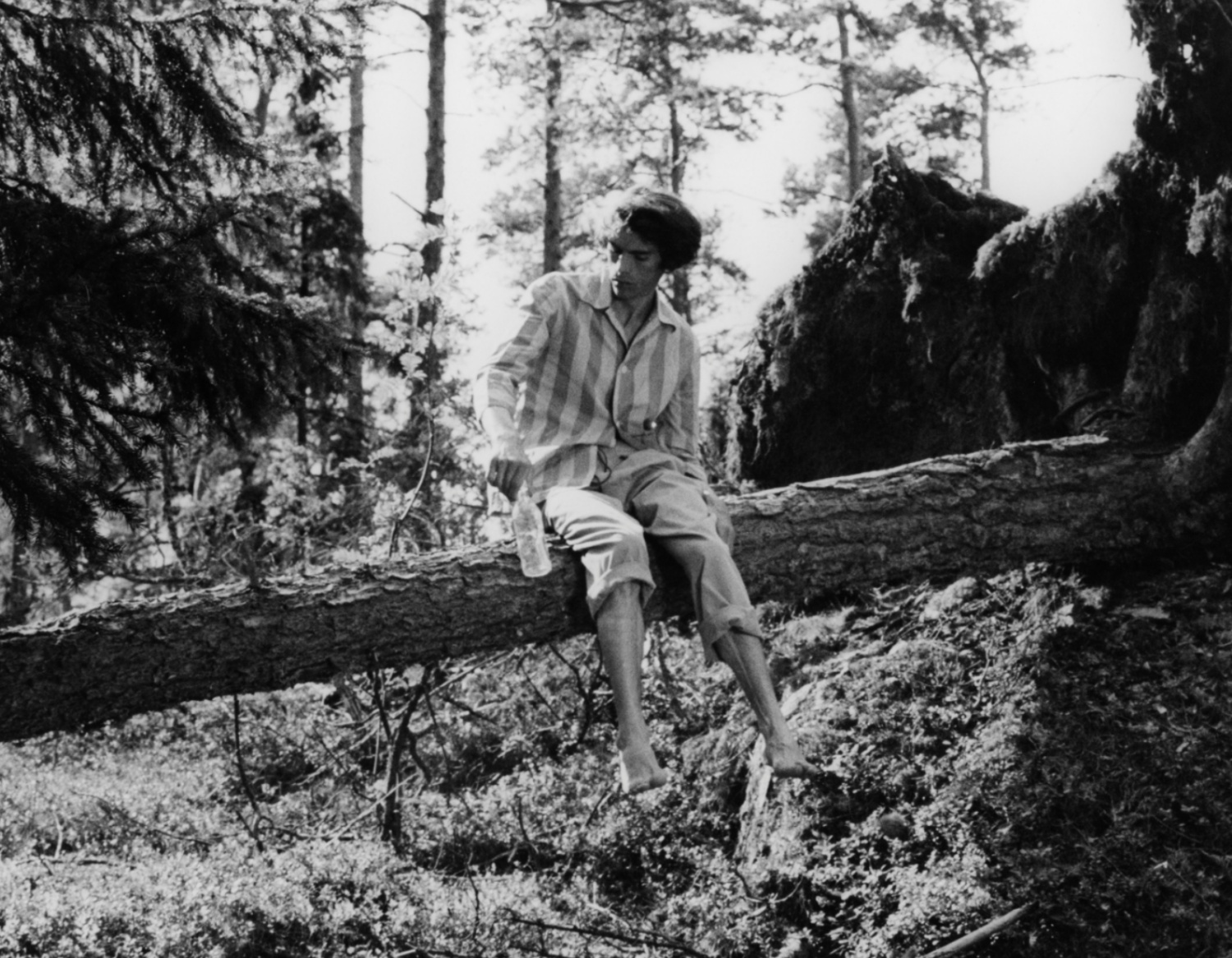
Vláčil is regarded as a prominent member of the Czechoslovak New Wave. Unlike many of the younger directors who focused on contemporary issues of their time, Vláčil turned his gaze towards the depth of history, addressing socio-political concerns allegorically. By adapting surreal and avant-garde motifs, he transformed historical drama into a timeless metaphysical exploration that examines themes of freedom, violence, and the possibility of grace, resulting in a transcendent audiovisual symphon.
The Transformative Scripts of Marguerite Duras
Popularly known as one of France’s foremost novelists, Marguerite Duras (1914-1996) extended her imprint to cinema at [...]
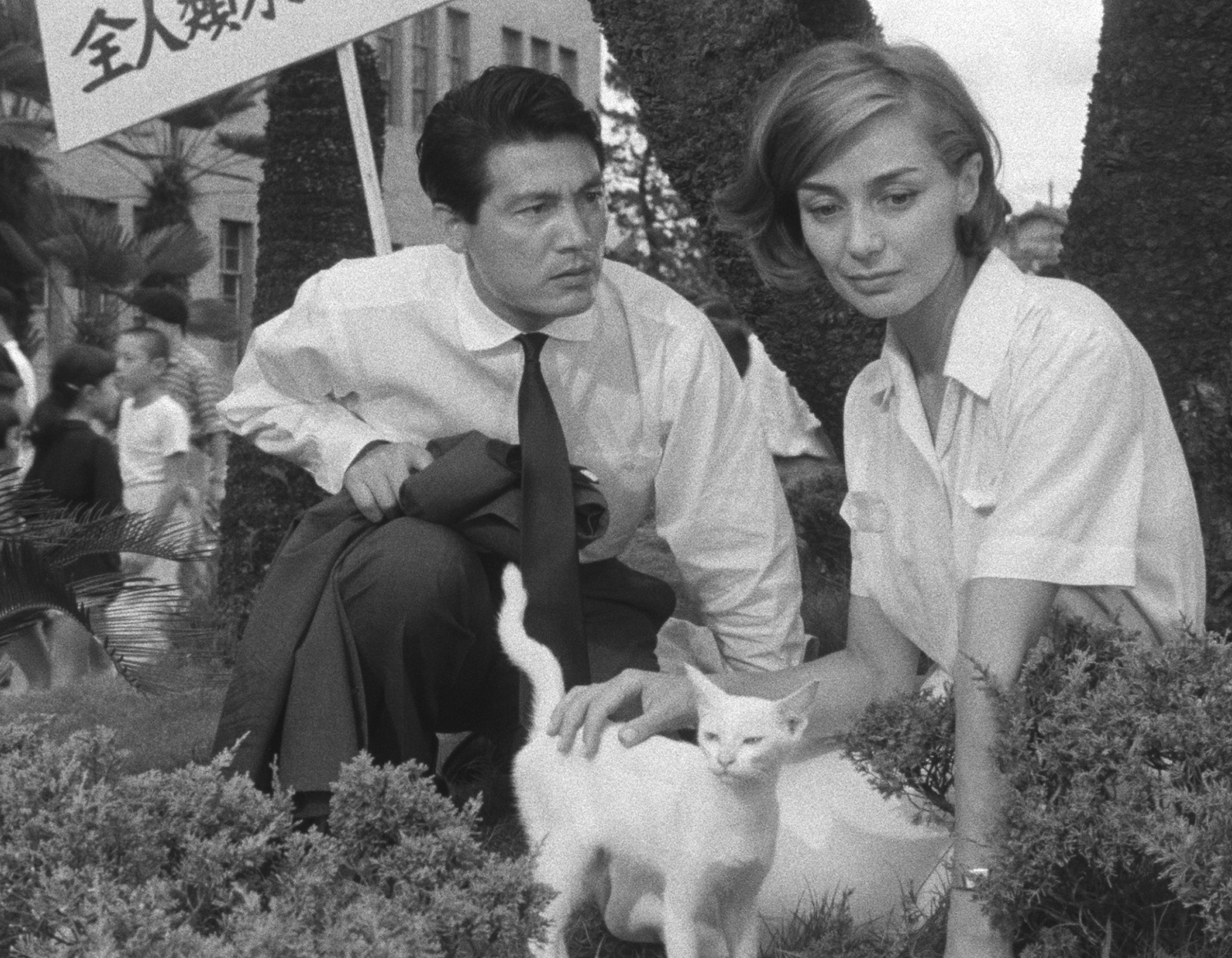
Popularly known as one of France’s foremost novelists, Marguerite Duras (1914-1996) extended her imprint to cinema at the end of the 1950s and immediately broke new ground. First working with director Alain Resnais, acclaimed for documentaries including the powerful Night and Fog, Duras wrote a radical work of rapid intercutting and unprecedented hybridity in Hiroshima Mon Amour. Holding disdain for commercial cinema and its conventions, Duras wasted no time in continuing to innovate and build her themes with other key filmmakers.
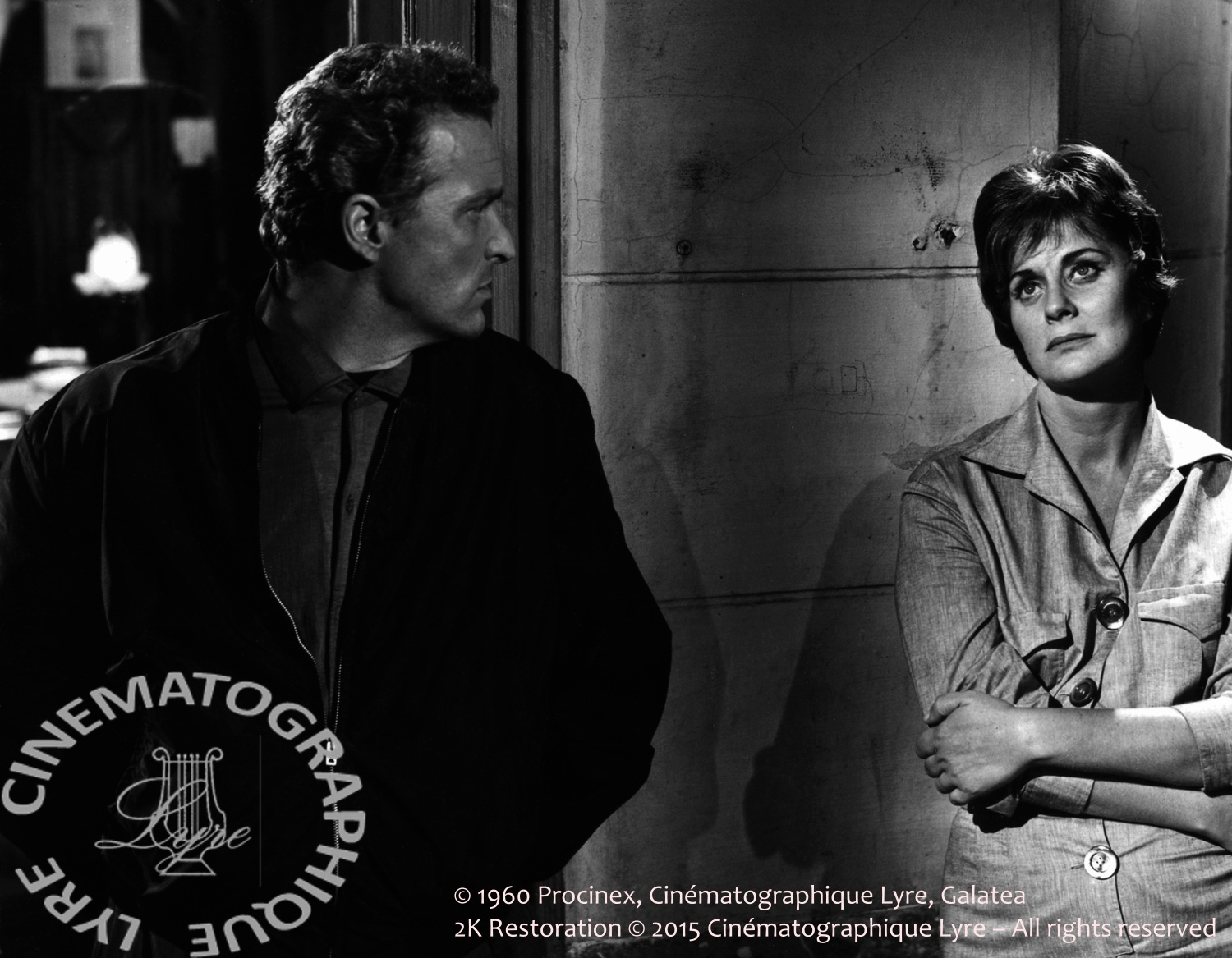
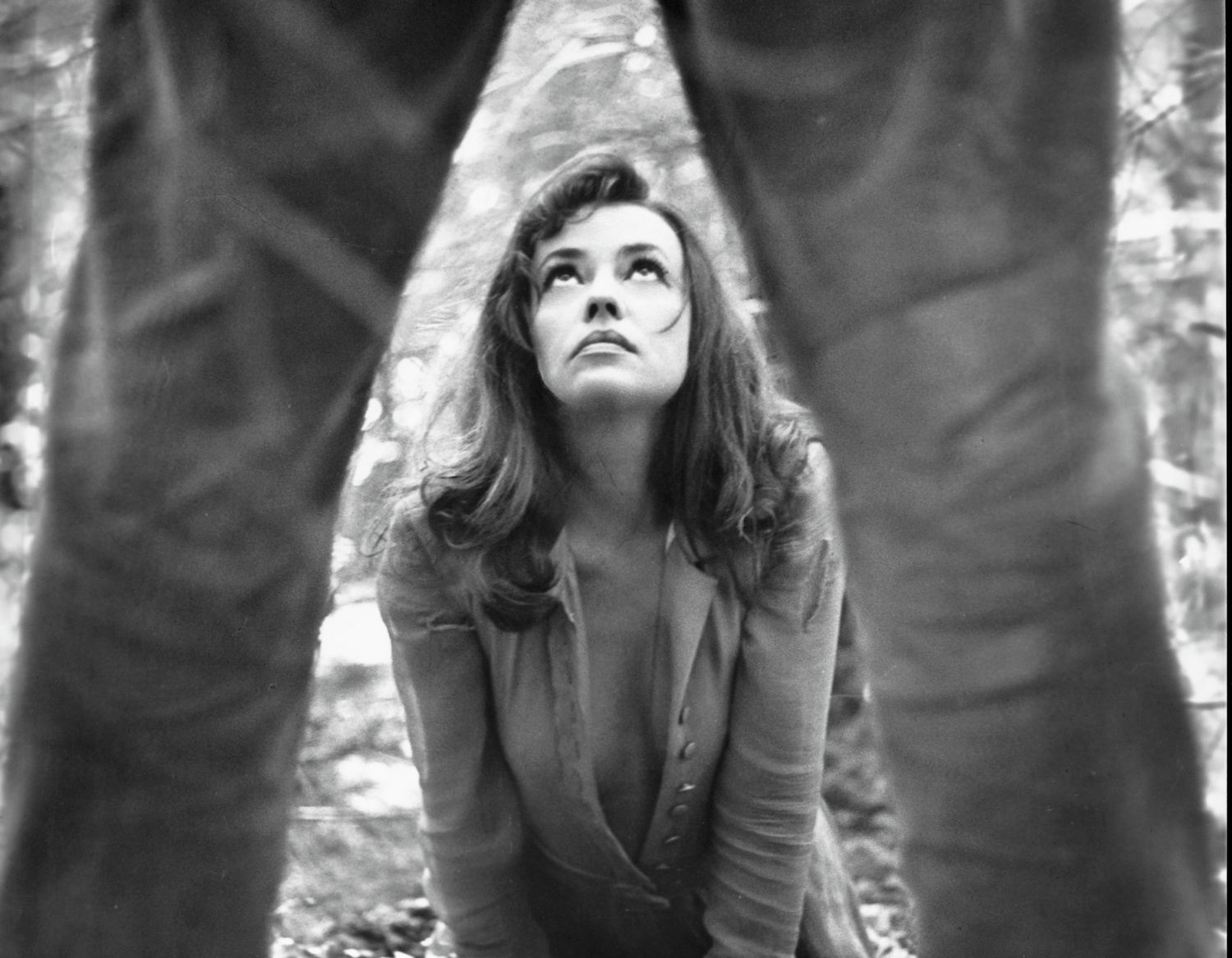
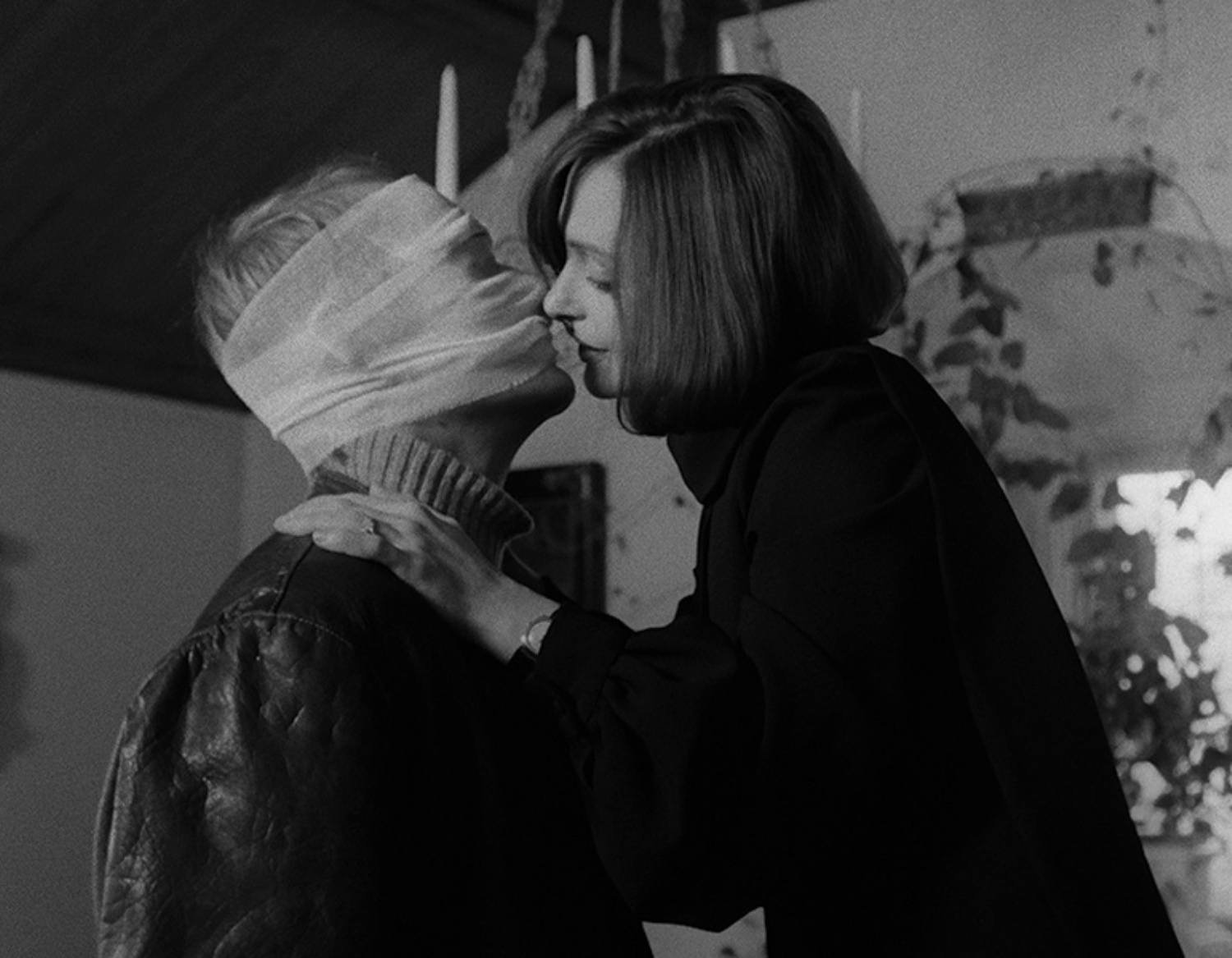
With experimental flair, and just as she did in print, Duras would return over and over again to topics including thwarted desire and one-sided love, privilege and class, memory, colonialism and isolated settings, often reflecting defining periods of her own life. Taboos would be foregrounded, and crueltytinged episodes would play out in sparse, haunting style. Consider Tony Richardson’s sleepy-township shocker Mademoiselle, where a schoolteacher’s secret acts of violence end up paralysing her desirous advances. Or Peter Brook’s Seven Days... Seven Nights and Henri Colpi’s The Long Absence, in which Duras’ measured scripts resonate with loneliness, loss and unreciprocated affection.
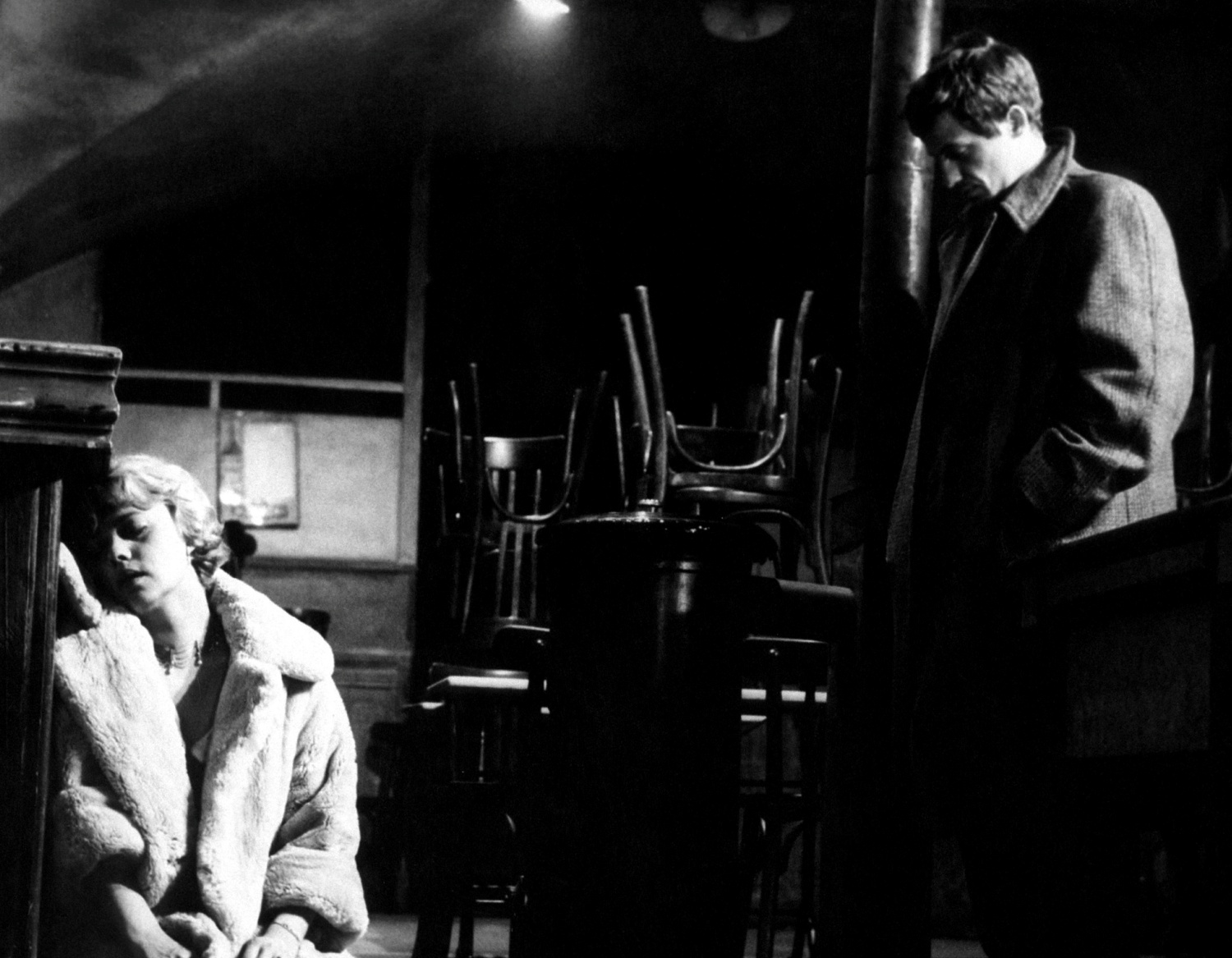
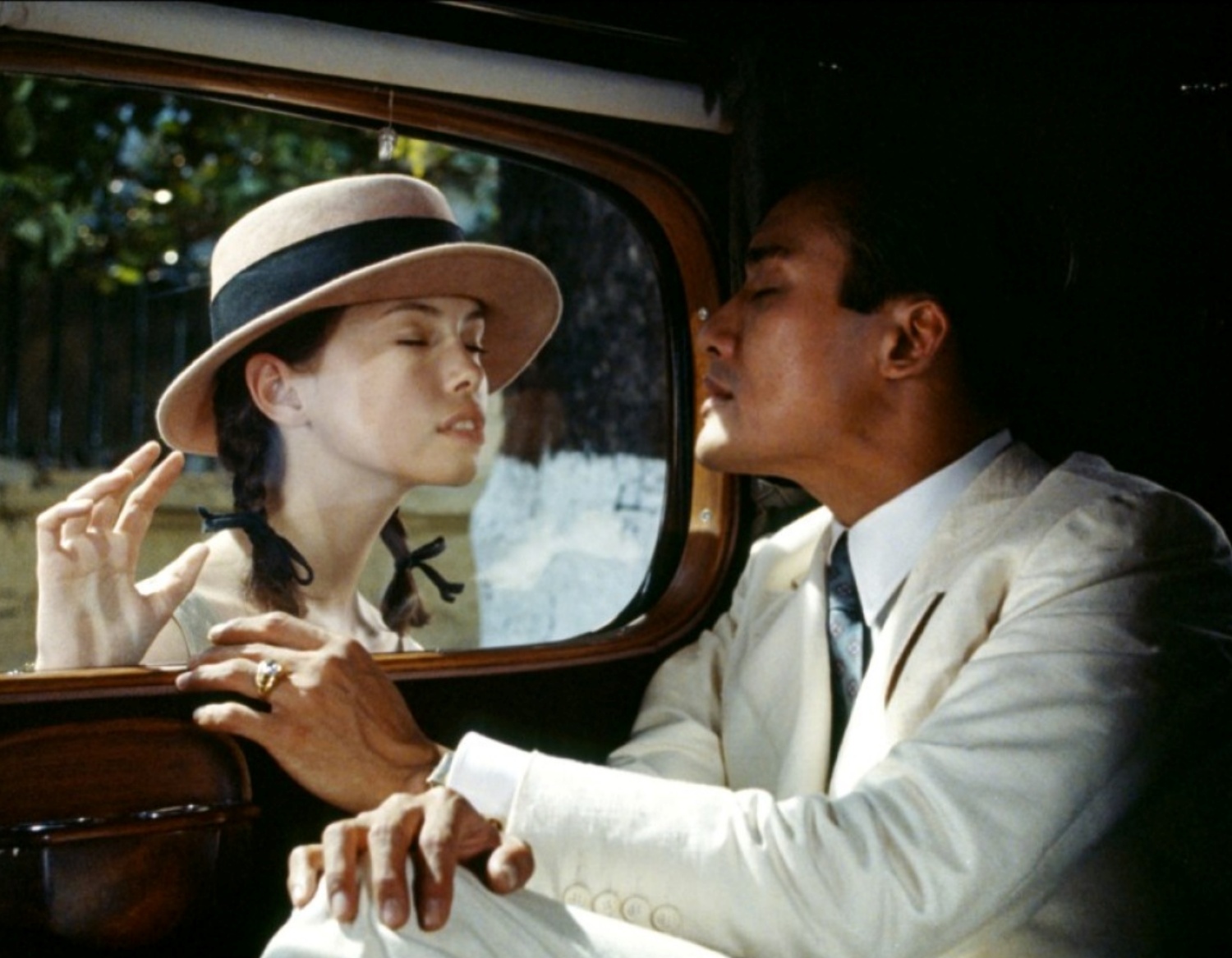
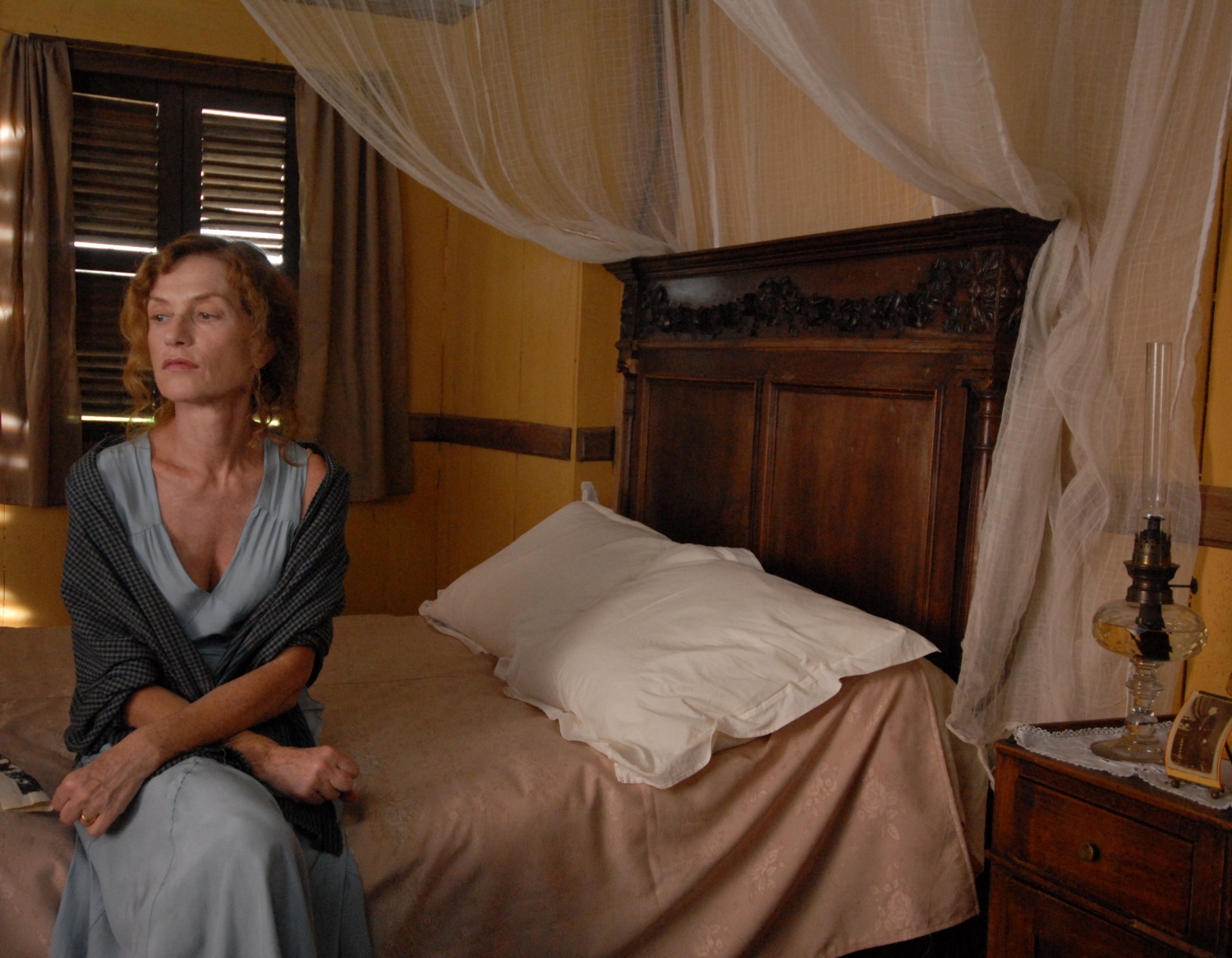
Seven Days... Seven Nights joined the list of films that adapted Duras’ previously published literary work – a lineage that started with René Clément’s 1958 picture This Angry Age. Others include Jean-Jacques Annaud’s The Lover and Rithy Panh’s The Sea Wall. Both of those drew on semi-autobiographical novels Duras had based on her youth in French Indochina, where tales of scandalous affection and icy viciousness emerged from the tropical heat.
Duras would become a director with La Musica in 1967, and hit her stride helming accomplished works like India Song. Experimentation remained a hallmark of her work in cinema – ‘When I begin a film, it is as if I am setting myself free from everything,’ she once said – and available too was the chance to realise big-screen interpretation of her work without seeing it filtered through other filmmakers. Any study of Duras’ directorial work is rewarding enough, but extending one’s survey to Duras’ screenplays and the adaptations ensures a fuller picture of her profound contributions to cinema.
Supported by