


Programme
Unscrpited Life: The Cinema of John Cassavetes
When it comes to filmmakers who truly changed cinema, John Cassavetes (1929-1989) undoubtedly ranks among them. Unlike those larger-than-life masters, his greatness lies in his ‘smallness’ – with a low budget, he pioneered independent cinema in America; and with an unadorned lens, he captures the profound ‘small emotions’ of ordinary people.
The son of Greek immigrants, Cassavetes empathised with those marginalised by society, searching for identity, love and definition. Starting out as an actor, he believed acting is merely a heightened form of social activity we pursue in our various transactions with the world. In 1959, he collaborated with pals to create his groundbreaking first feature – Shadows, which was declared a masterpiece of the ‘New American Cinema’ by Jonas Mekas.
Being great admirers of each other’s work, Cassavetes shared with Orson Welles the view that the actor rather than the director should be the key figure in filmmaking. Eschewing any overt stylisation, he embraced an approach that prioritises his actors and their performances, in a highly collaborative process with his wife-cum-actress Gena Rowlands and his regulars that gives them the freedom to interpret their characters. From Faces to A Woman Under the Influence and Love Streams, they work as a team to explore the ambiguities of human nature, the paradoxes of drama, and the infinite possibilities of cinema. Whether it was Rowlands’ hysteria, Peter Falk’s drunken rambling, or Seymour Cassel’s outburst of rage, their immersive performances splashed forth a raw authenticity of life – natural, vibrant, and brimming with vitality.
While heralding improvisation, his films were usually based on a storyline, and the cast worked from a script. Handheld cameras, unorthodox narratives, occasionally ungrounded compositions, and unadorned set design – what Cassavetes focused on are not visual pomp but ordinary individuals, often with flawed personalities. Yet he rejected any simplistic psychoanalysis; instead his extreme close-ups captured the chaotic and contradictory expressions of their difficult characters. He pushed for emotional honesty, even if it was painful – in some way mirroring his lifelong struggle with alcoholism.
Refusing to be constrained by Hollywood studio systems and traditional dramatic conventions, Cassavetes insisted on his creative autonomy until his death at the age of 59 from cirrhosis. Throughout his career directing a total of 12 films, he struggled with financing his projects, using income from his acting jobs in over 70 films, and even mortgaging his own home. Limited budgets did not hinder his artistic achievements; his uncompromising and unrestrained filmmaking embodies the quintessential American independent spirit that influenced generations of directors like Martin Scorsese and Jim Jarmusch: ‘As an artist, I feel we must try many things – but above all we must dare to fail.’
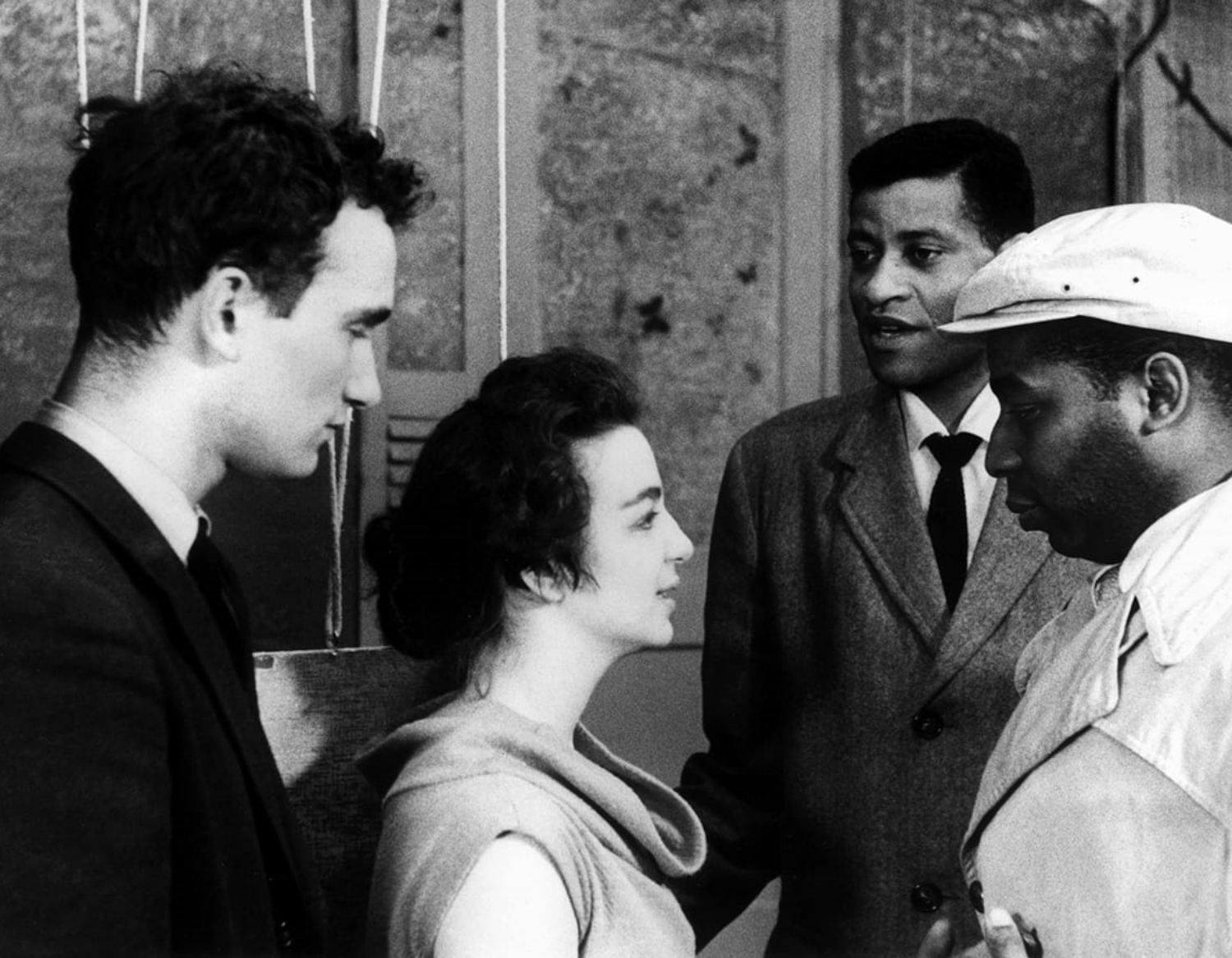
Shadows
Read more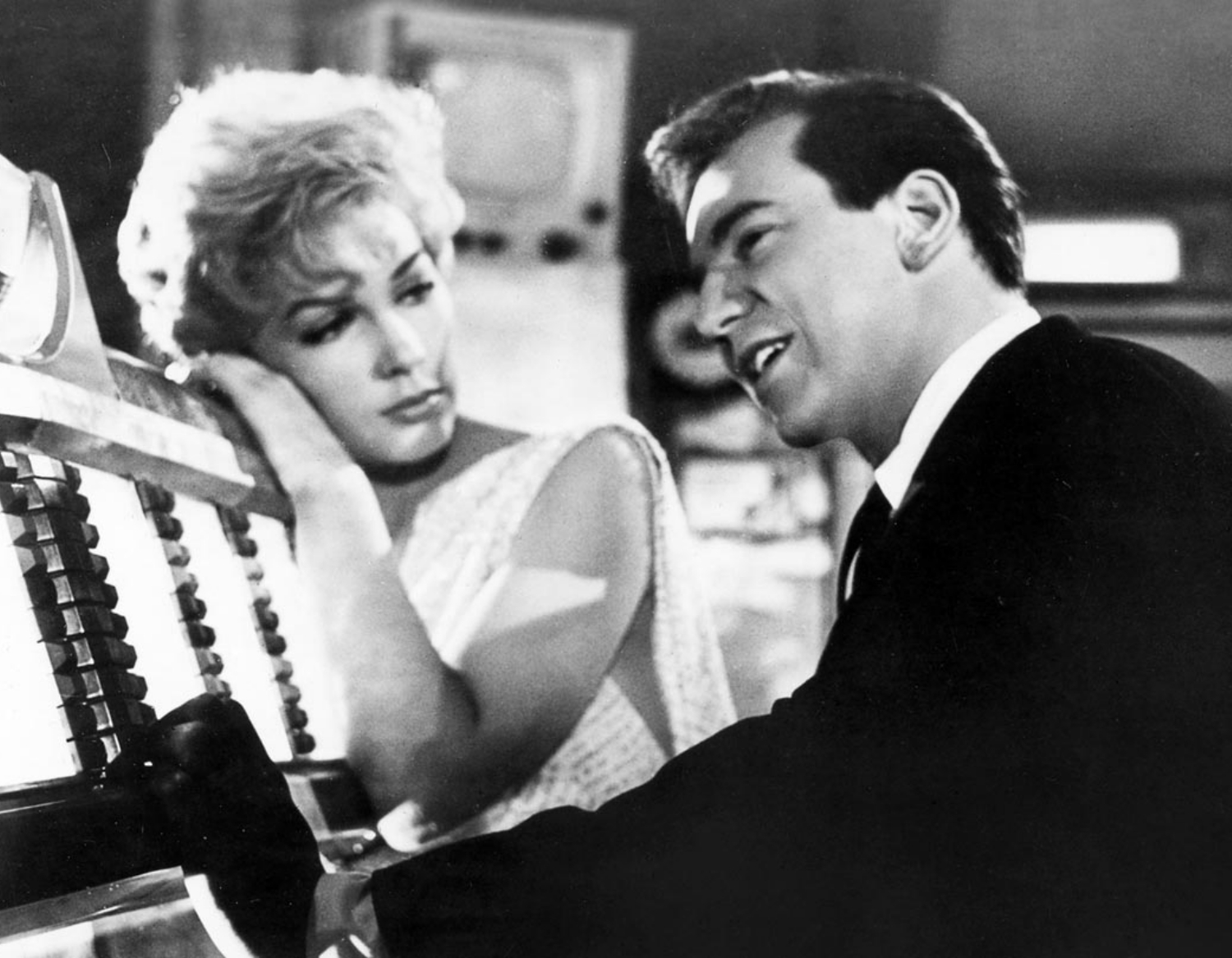
Too Late Blues
Read more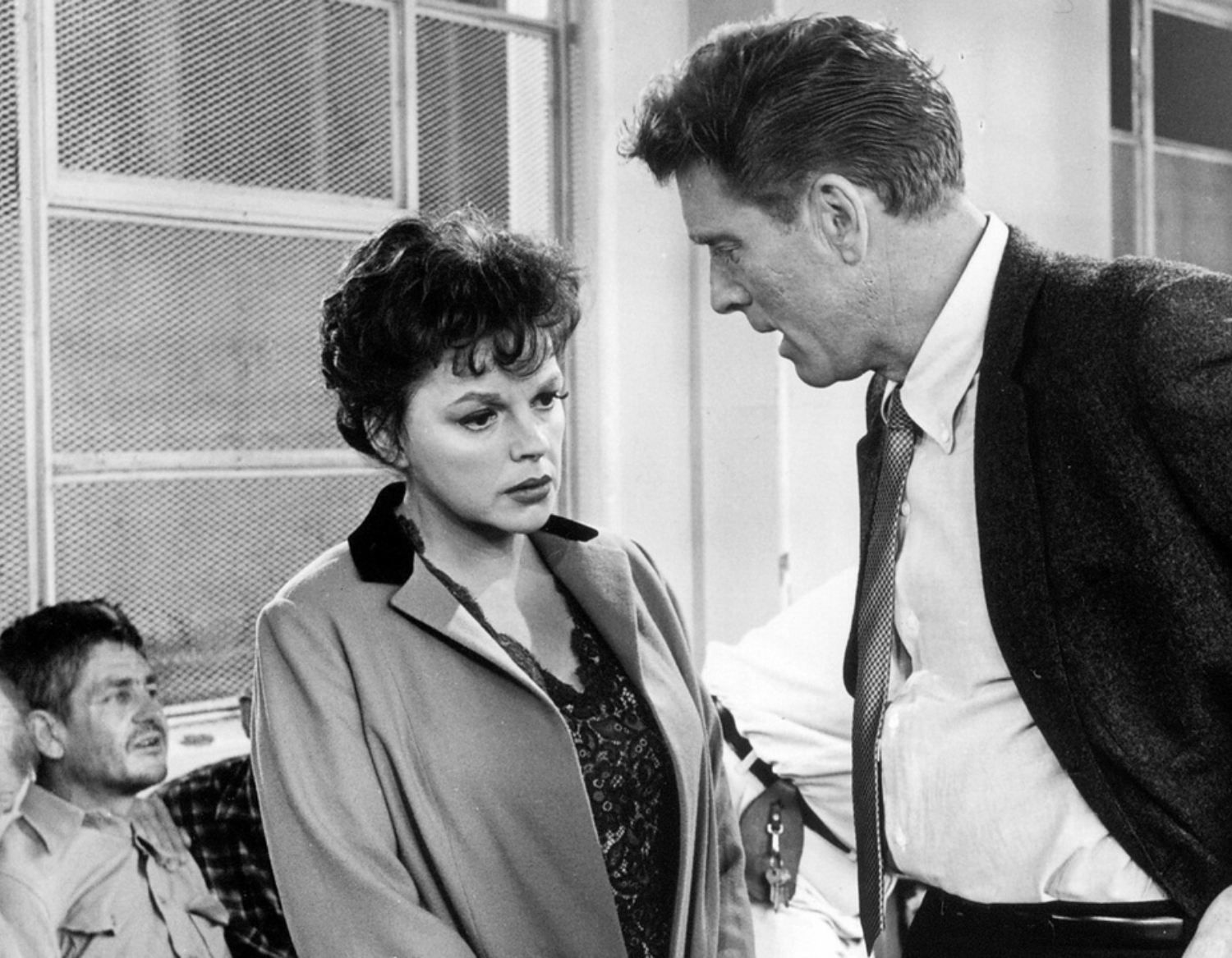
A Child is Waiting
Read more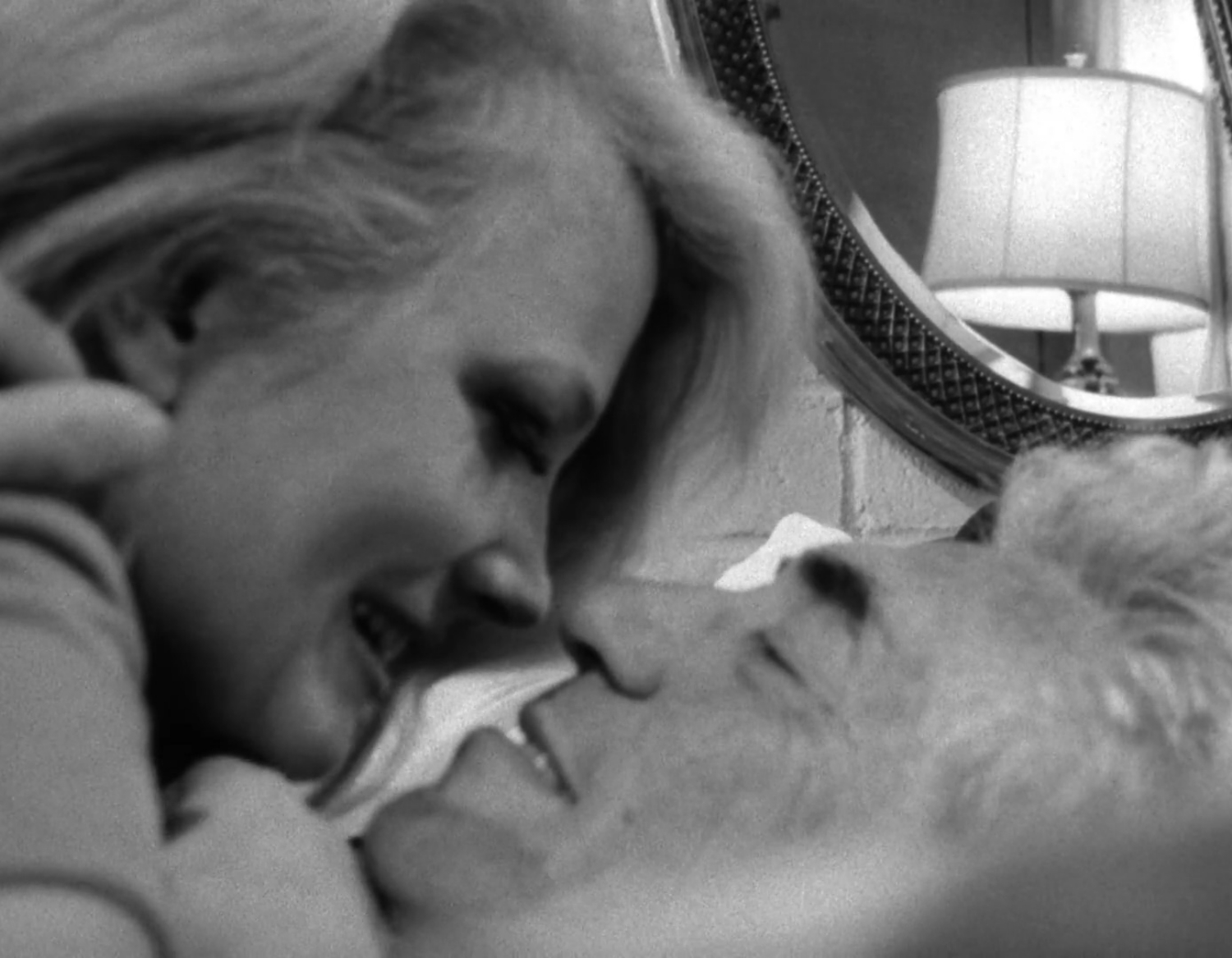
Faces
Read more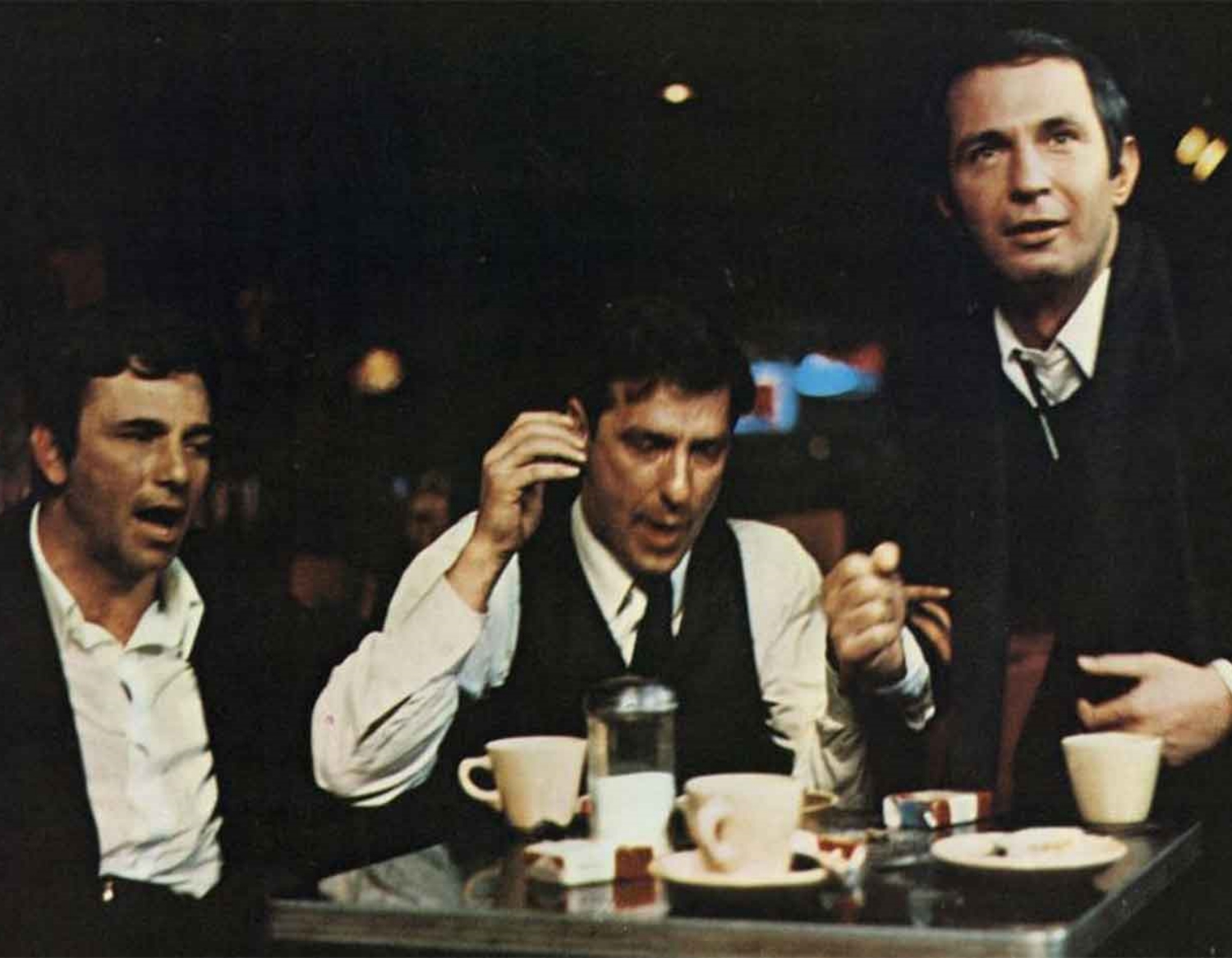
Husbands
Read more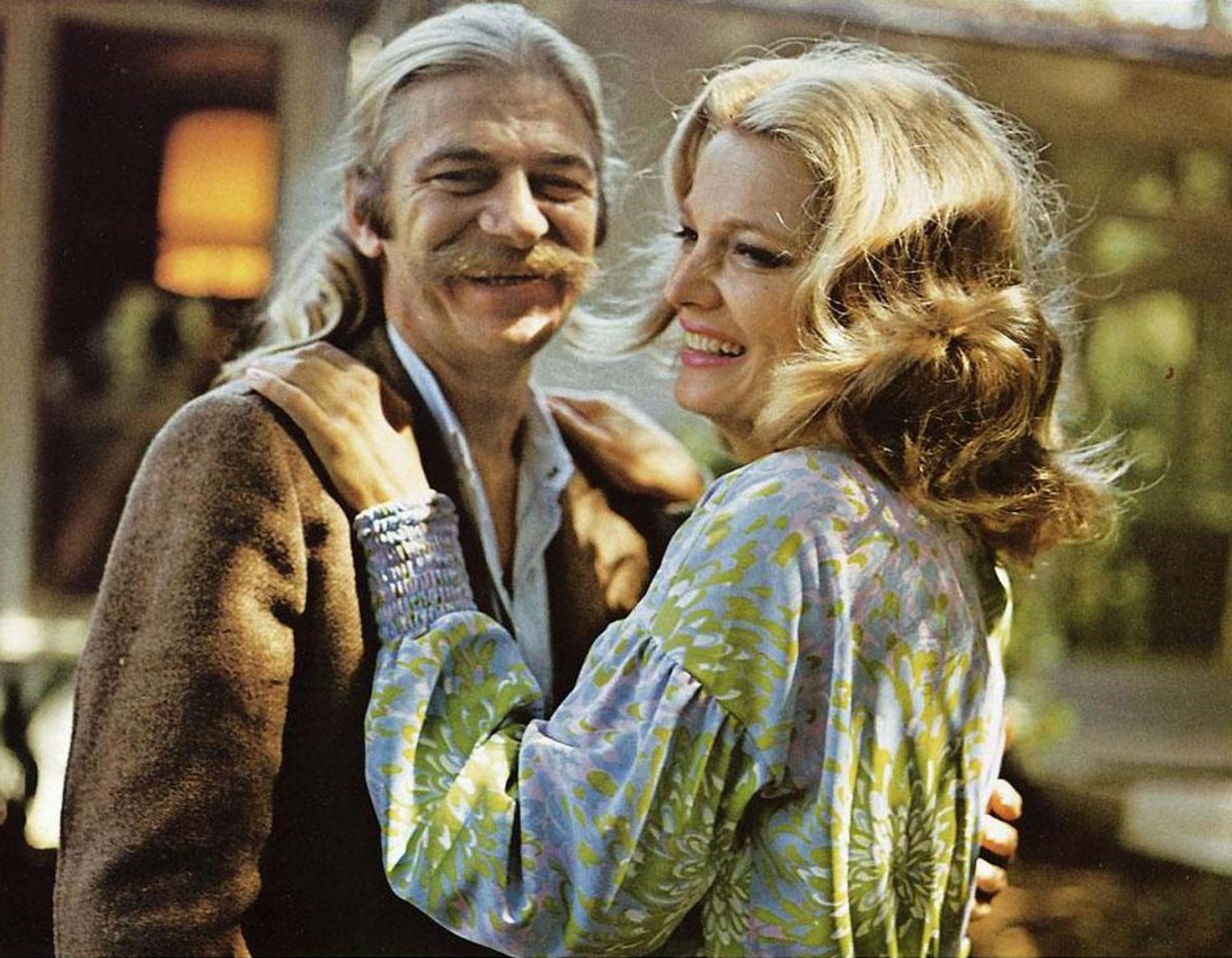
Minnie and Moskowitz
Read more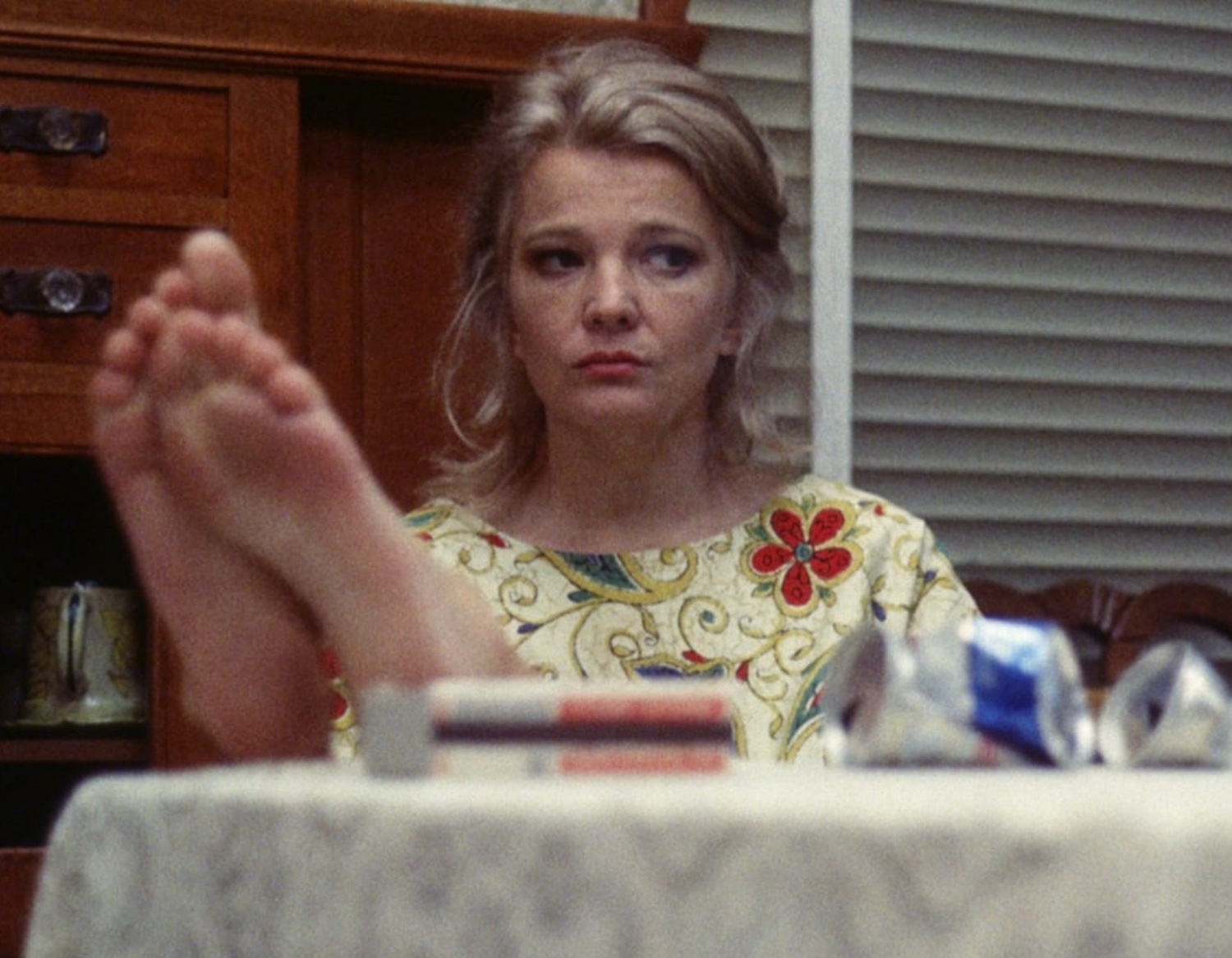
A Woman Under the Influence
Read more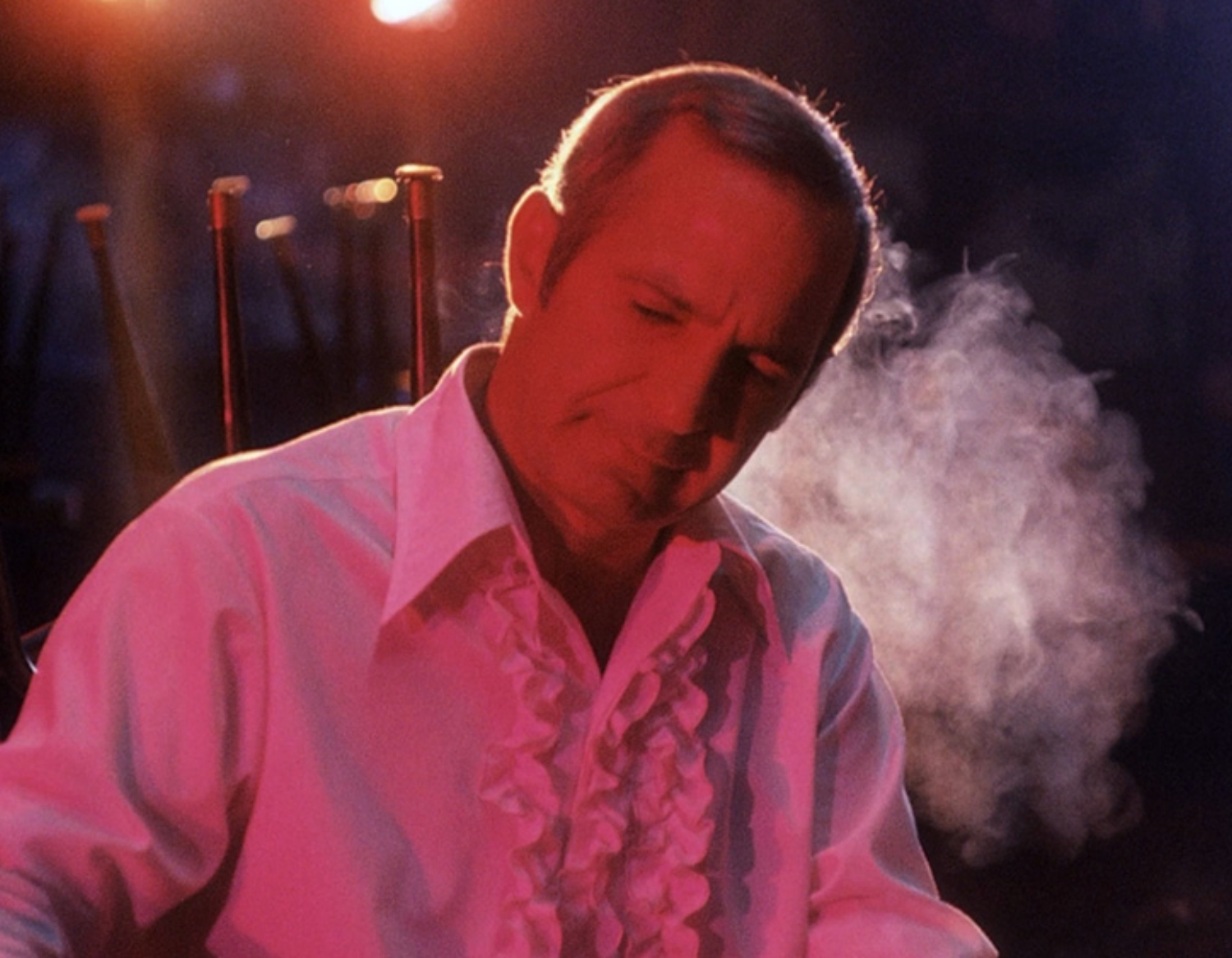
The Killing of a Chinese Bookie
Read more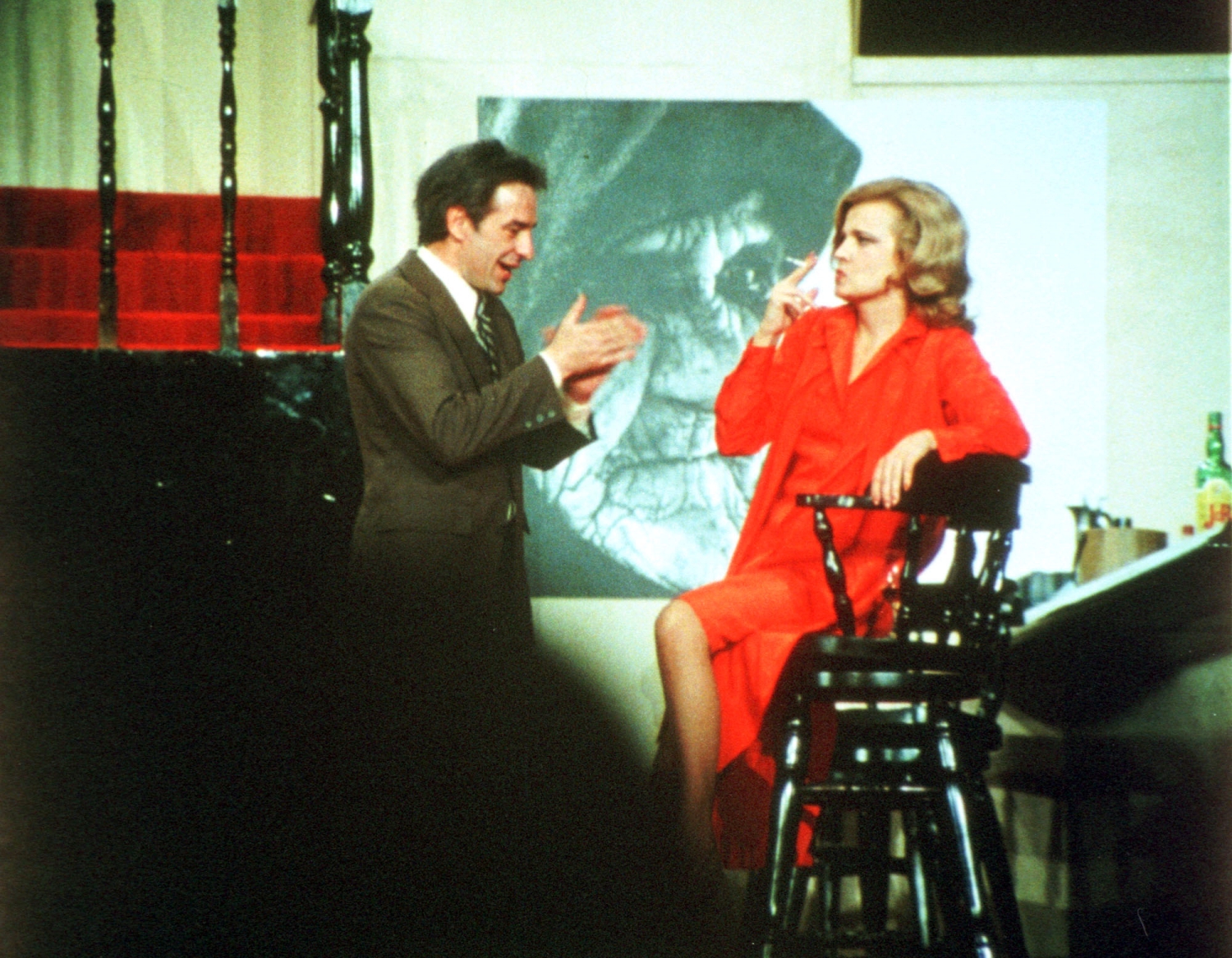
Opening Night
Read more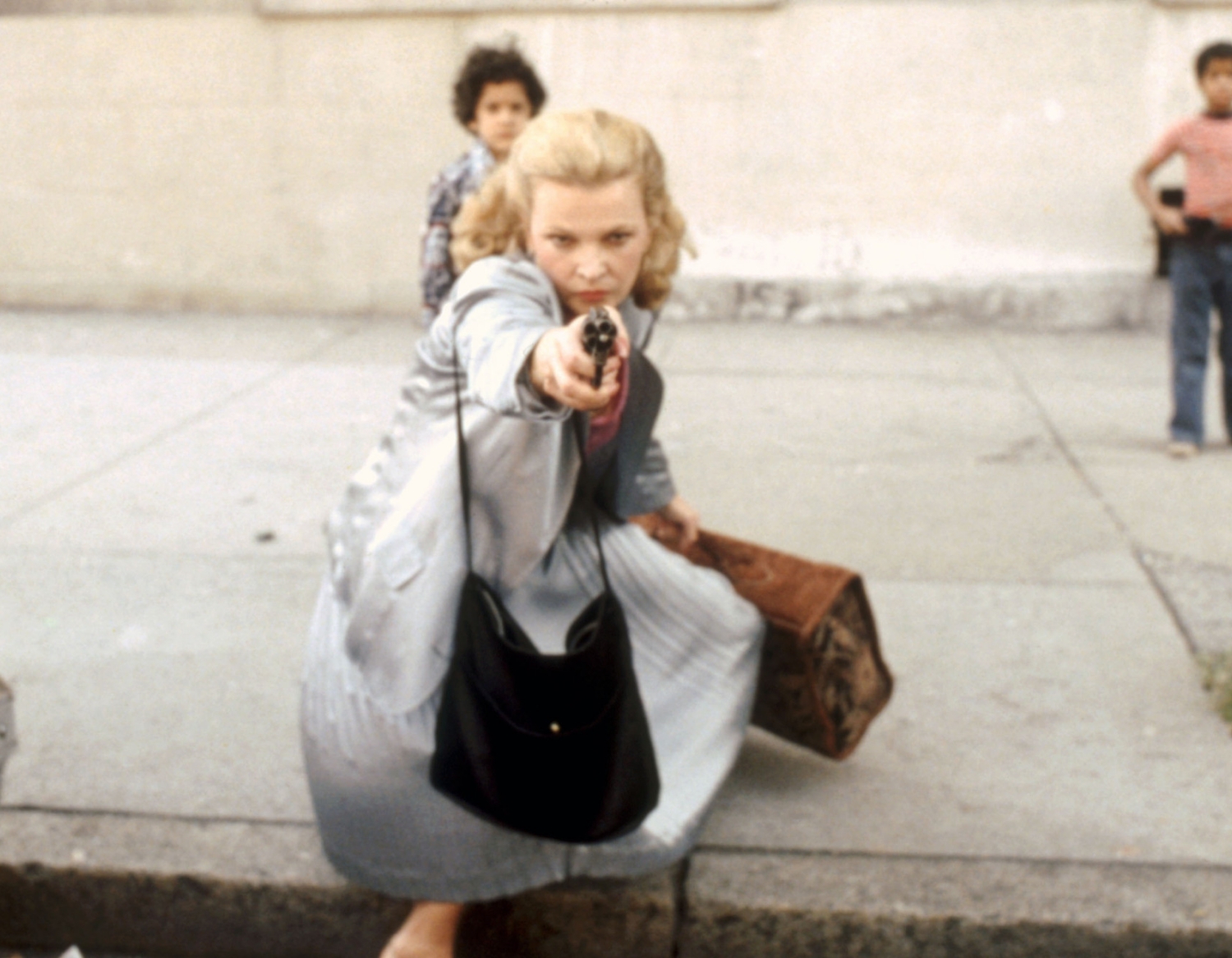
Gloria
Read more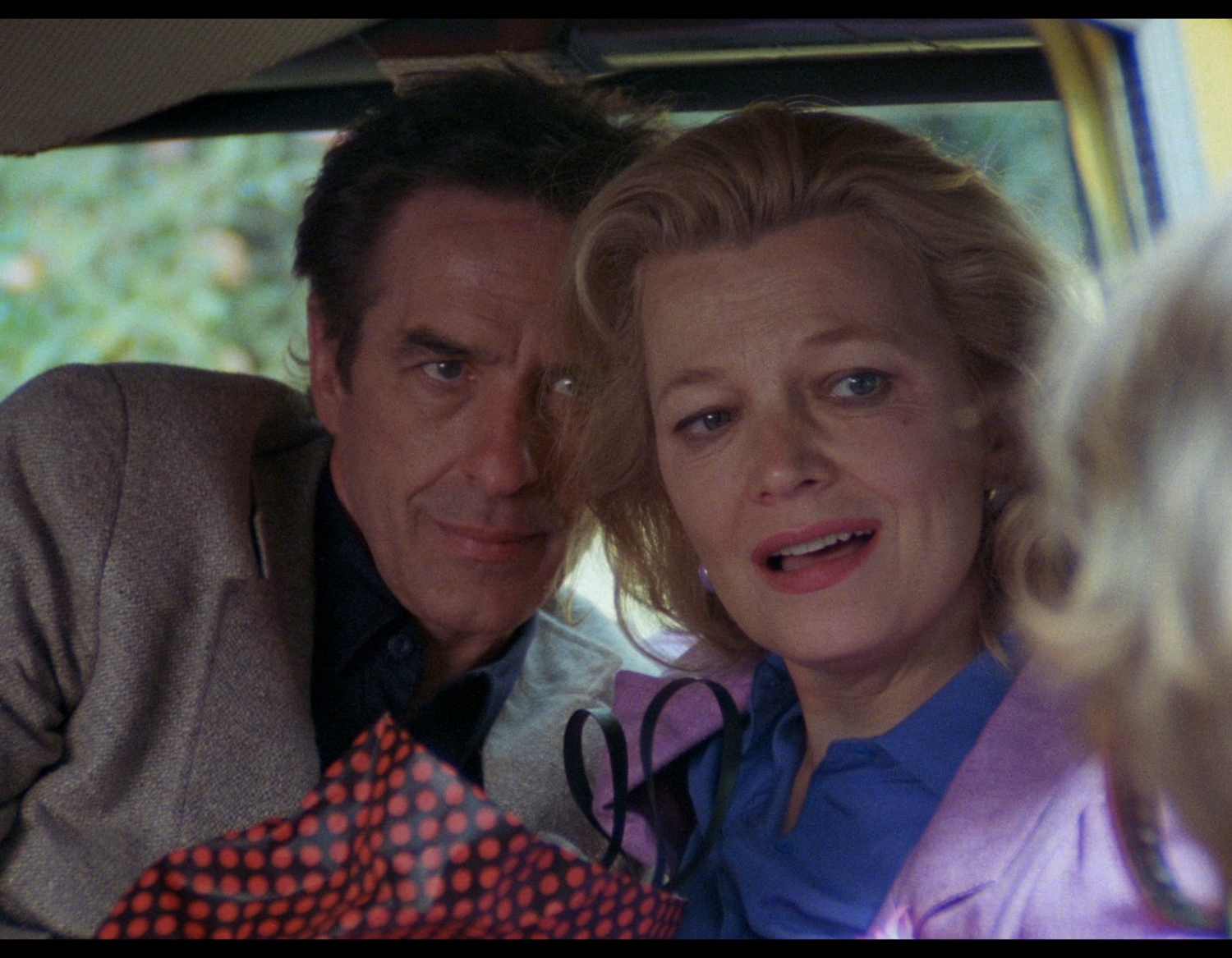
Love Streams
Read more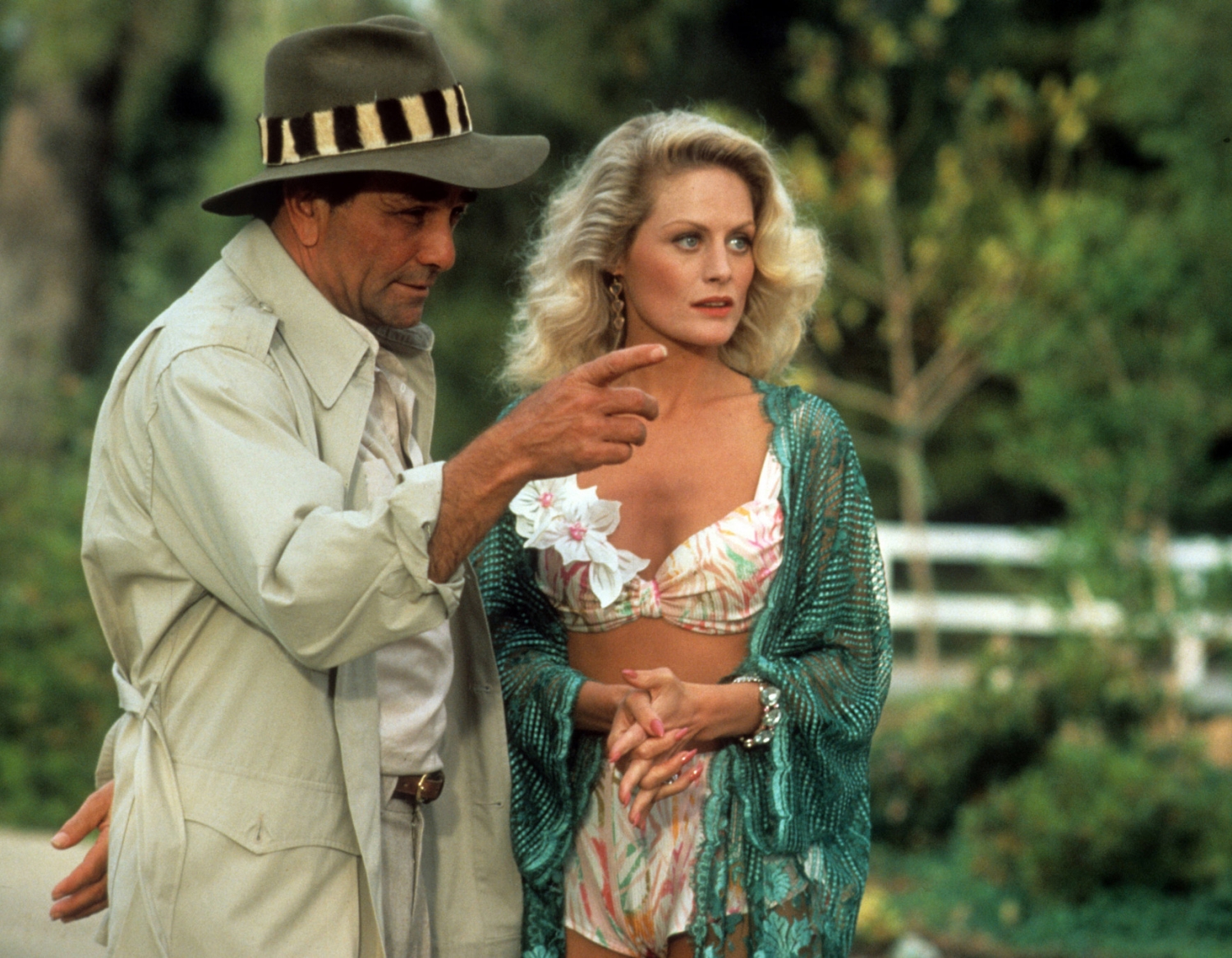
Big Trouble
Read more
Rosemary's Baby
Read more
Mikey and Nicky
Read more