

Programme
Of Identity and Imagination - The Shifting Landscapes of Arab Cinema
Agonising turns of history, great riches of cultures and heritage. The world of Arab cinema presents an extraordinary treasure chest to those who dive in and explore its essentials.
Of the Arab nations spanning North Africa and reaching into the Middle East, Egypt has historically been the largest film producer. The country was the first to establish a national cinema, and by the late 1940s was pumping out comedies, musicals and melodramas that played across the region. But when other states won independence through the ’50s and ’60s, and with overseas support kicking in, film industries emerged in countries like Tunisia and Algeria too.
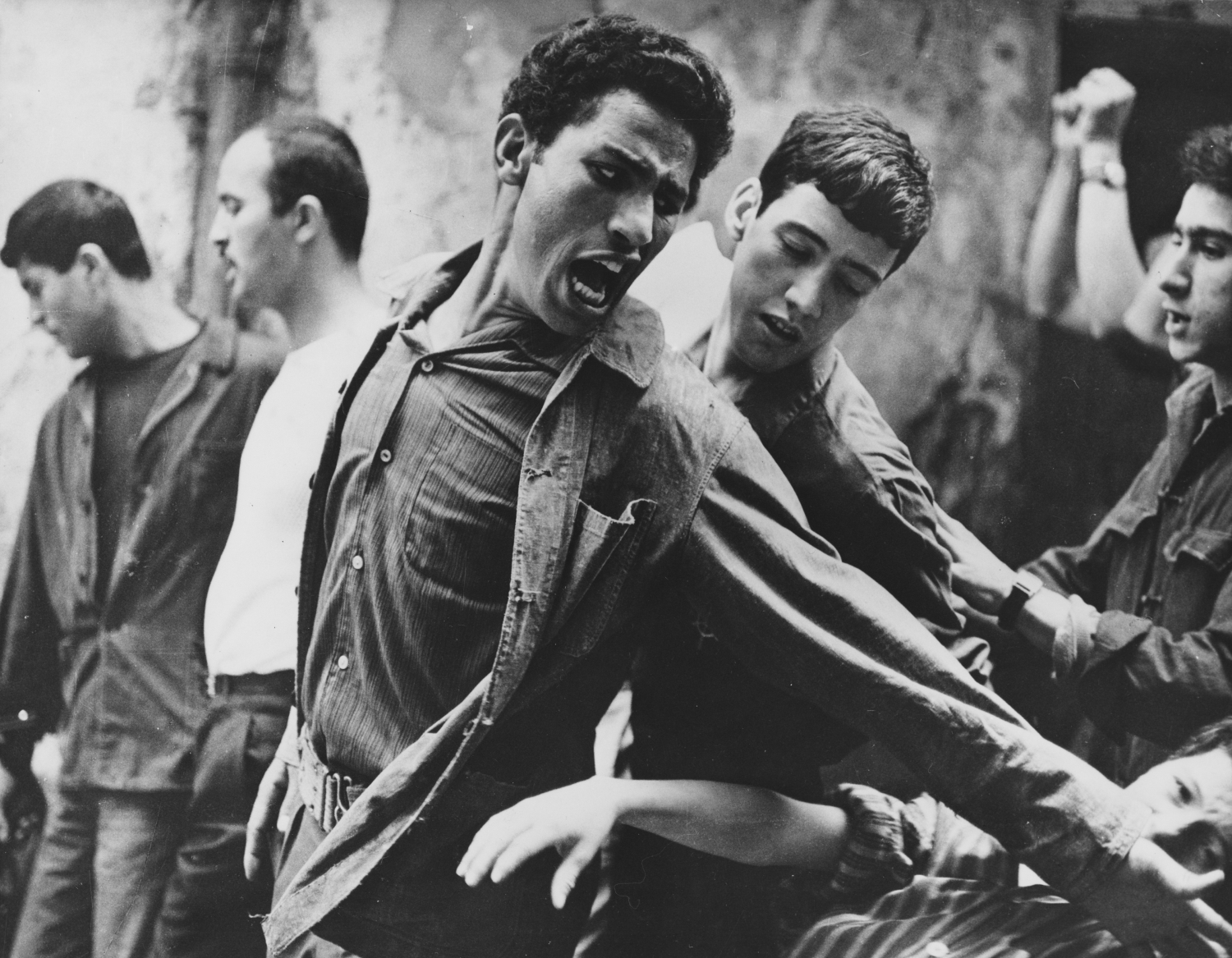
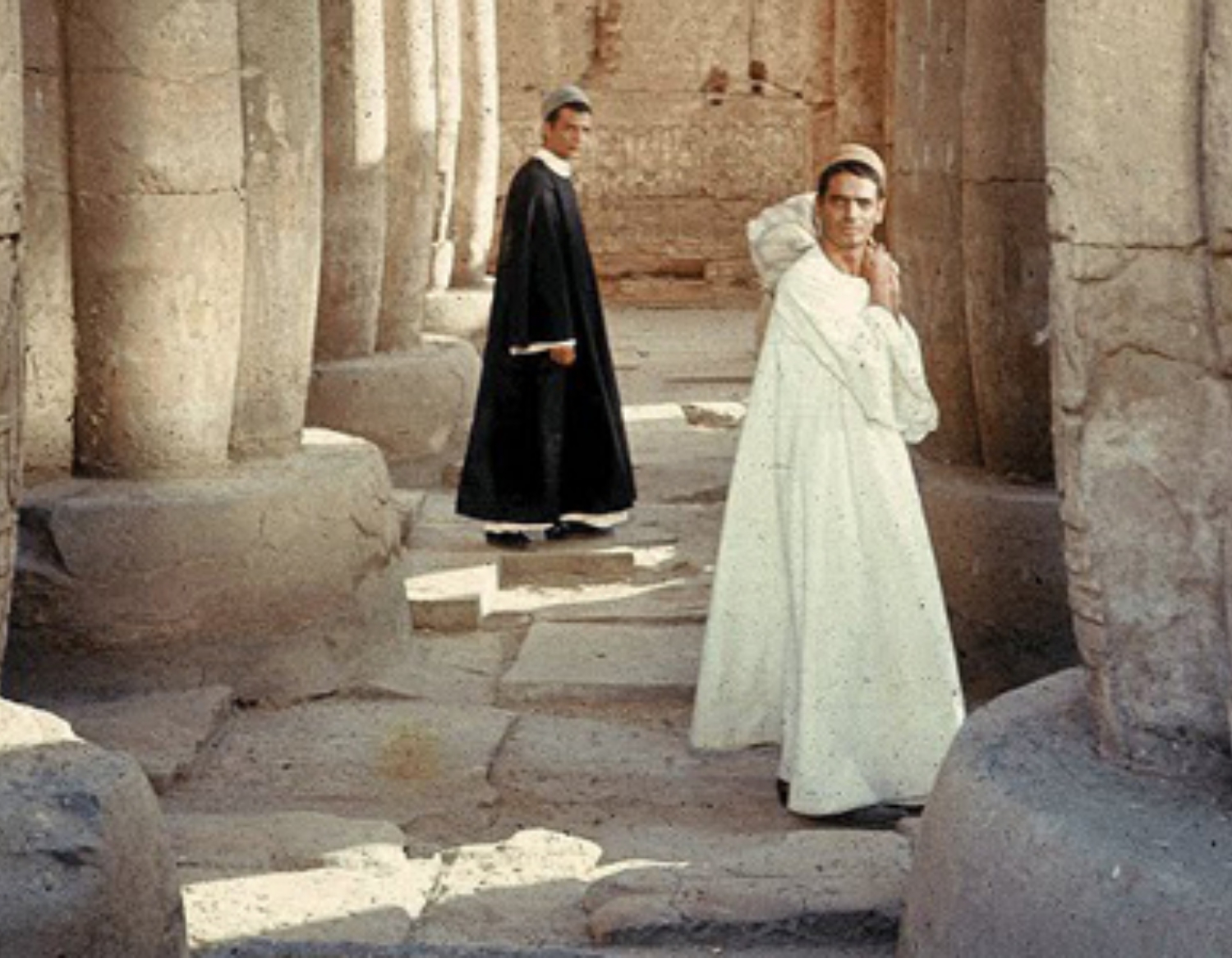
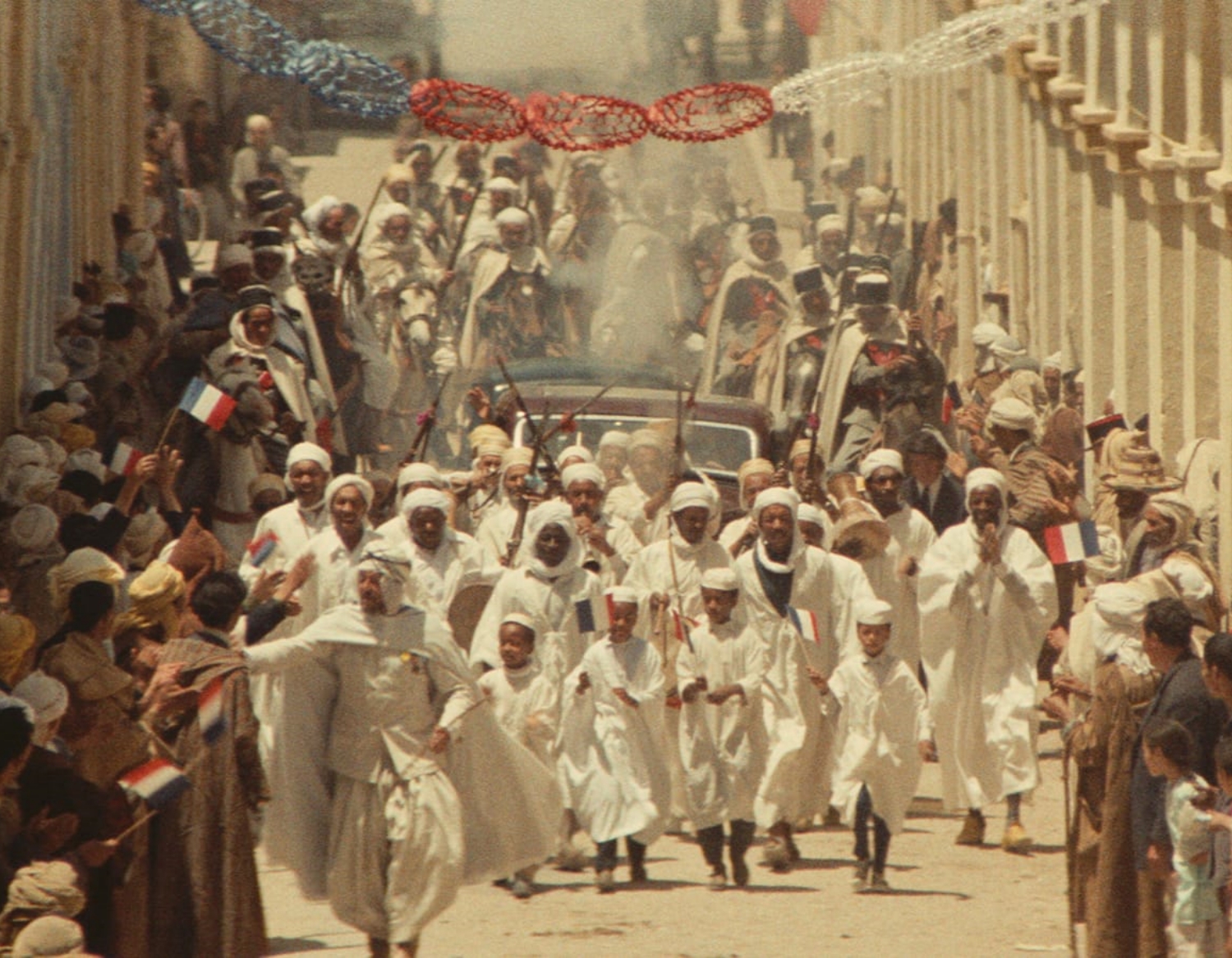
As production rose across the region, the pioneers of the New Arab Cinema busied themselves with bold and ambitious auteur-driven pictures. Some turned to neorealist and artistic studies of society, culture and identity, with films from Egypt like Youssef Chahine’s Cairo Station and Shadi Abdel Salam’s The Night of Counting the Years. The fights for independence would inspire many works, among them Algeria’s The Battle of Algiers by Gillo Pontecorvo and Chronicle of the Years of Fire by Mohammed Lakhdar-Hamina. Winning the top prize at Venice and Cannes film festivals respectively, the two films boosted the profile and showcased the power of Arab cinema in the international arena.
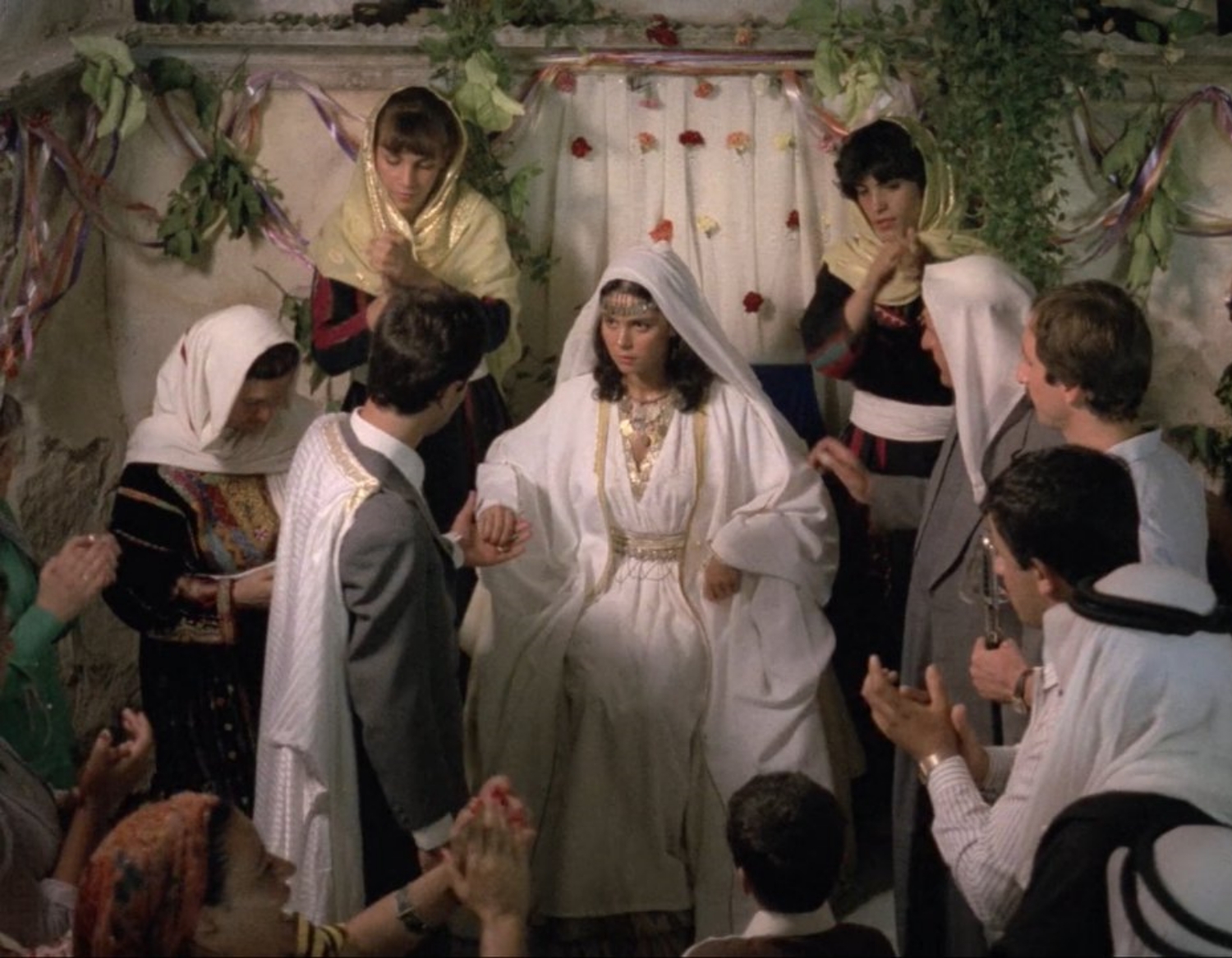
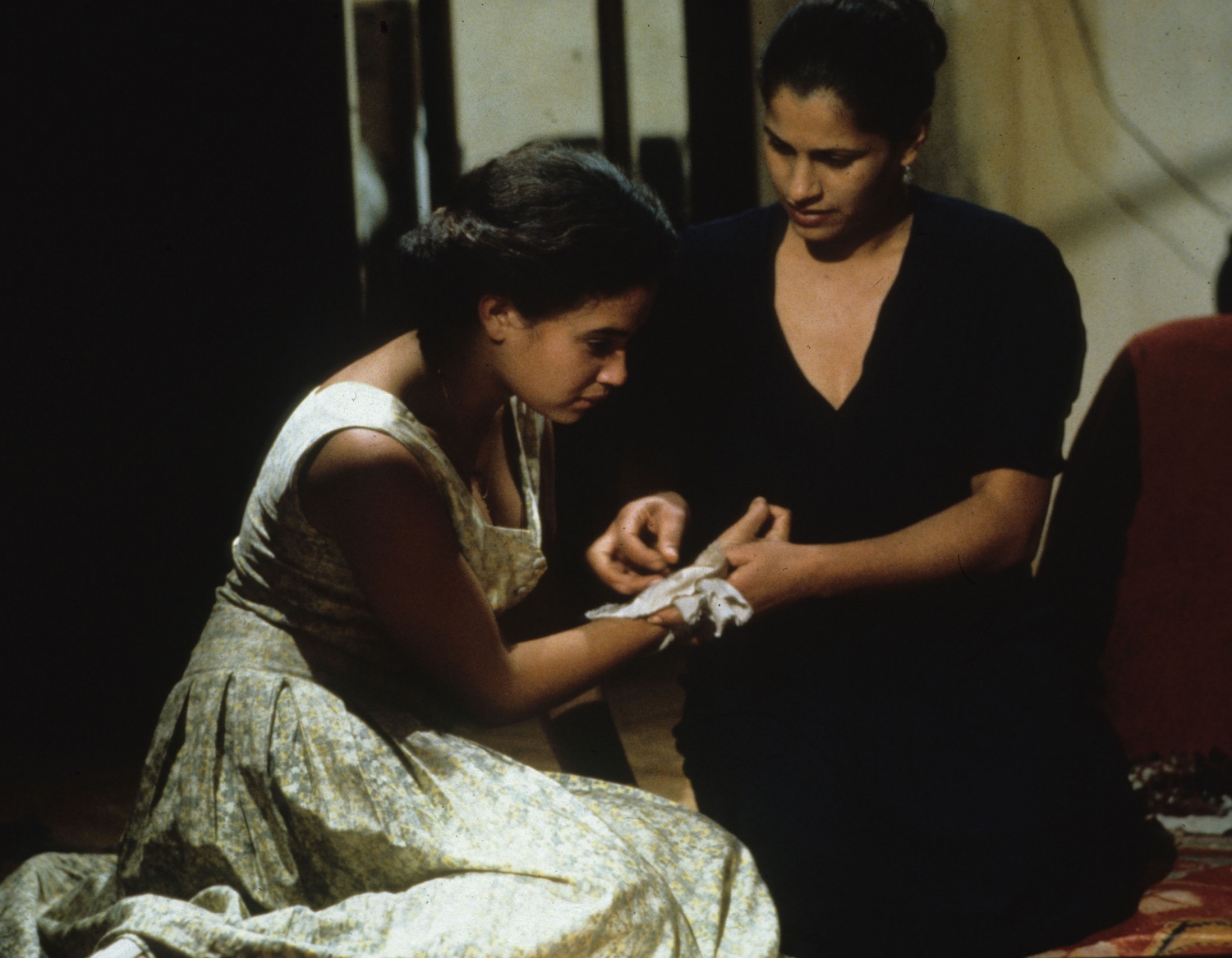
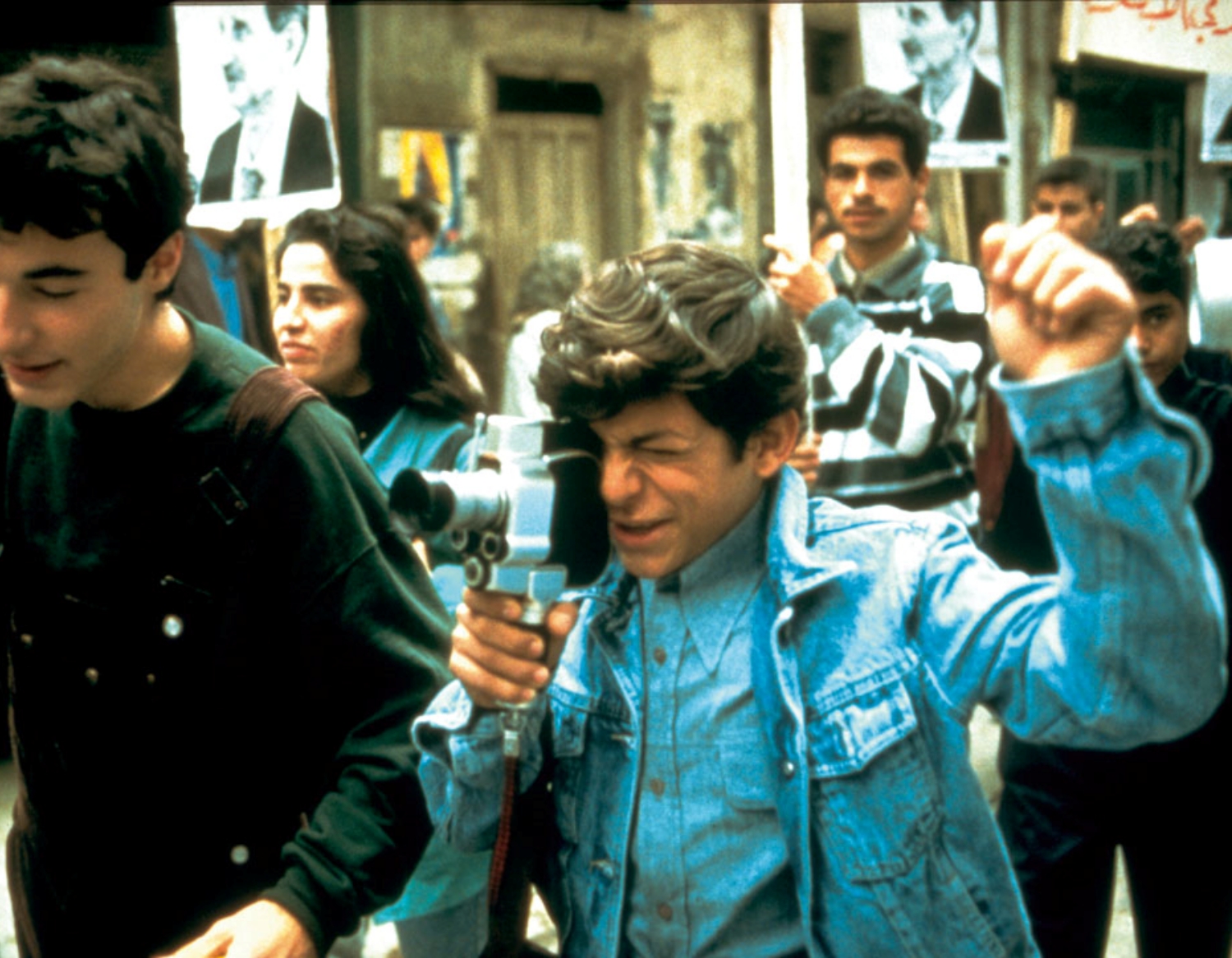
The ever-shifting landscapes in the Arab world invited more filmmakers to come in and broaden screen stories. The Palestinian struggle and the shock of the 1967 Six-Day War inspired filmmakers such as Tewfik Saleh (The Dupes). Likewise, Ziad Doueiri (West Beirut) offered an unusual playful perspective on the Lebanese Civil War, while female directors such as Tunisia’s Moufida Tlatli (The Silences of the Palace) zeroed in on the position of women in the patriarchal society. On another front, exiles like the Palestinian Michel Khleifi (Wedding in Galilee) blazed a trail by filming on his homeland.
Thanks to the preservation and restoration efforts, these groundbreaking films are brought back into circulation. Carrying immense cultural and historical value waiting to be discovered, the Arab stories become not a legacy but a starting point to retrieve the memory – where to go from here?