

Programme
The Transformative Scripts of Marguerite Duras
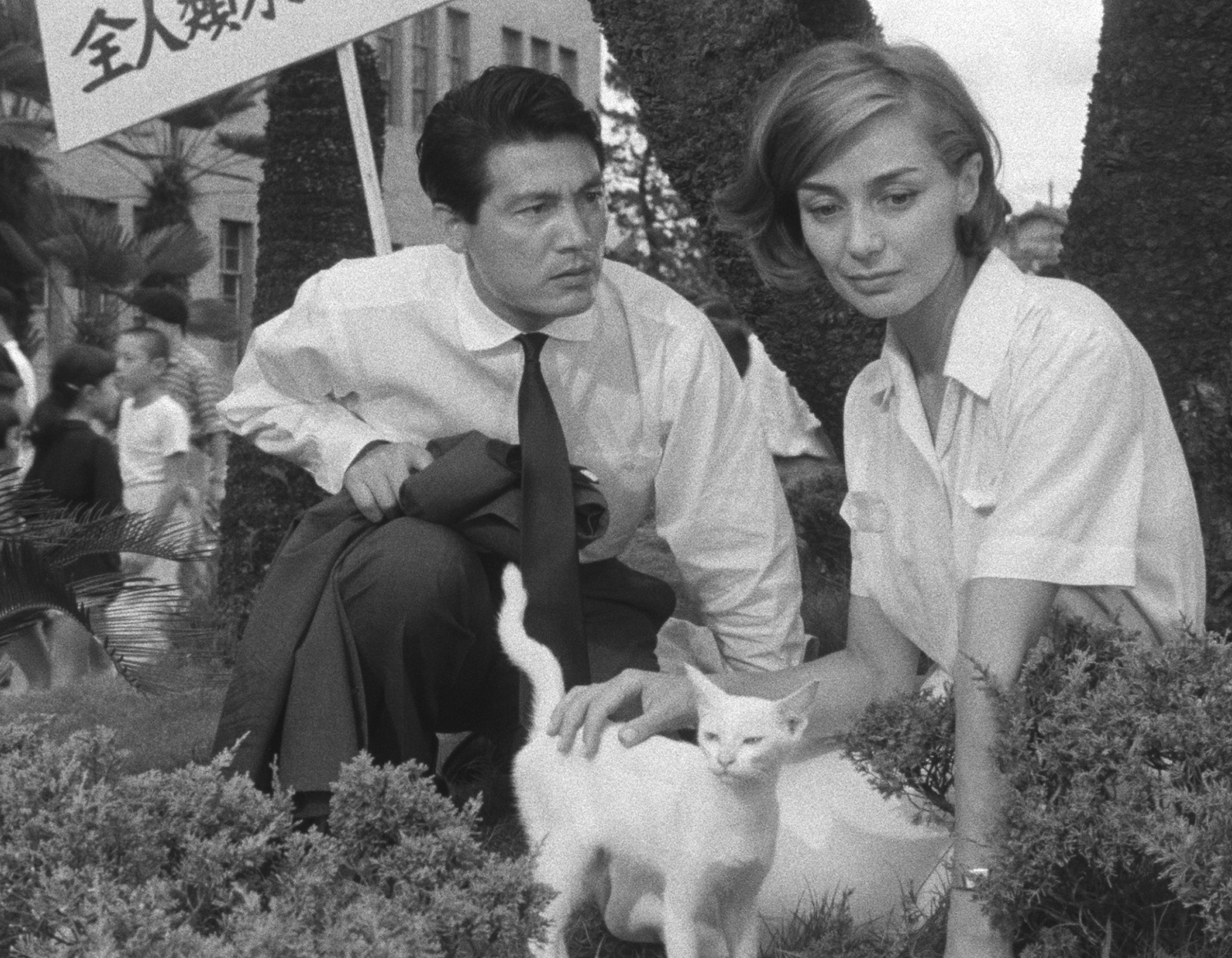
Popularly known as one of France’s foremost novelists, Marguerite Duras (1914-1996) extended her imprint to cinema at the end of the 1950s and immediately broke new ground. First working with director Alain Resnais, acclaimed for documentaries including the powerful Night and Fog, Duras wrote a radical work of rapid intercutting and unprecedented hybridity in Hiroshima Mon Amour. Holding disdain for commercial cinema and its conventions, Duras wasted no time in continuing to innovate and build her themes with other key filmmakers.
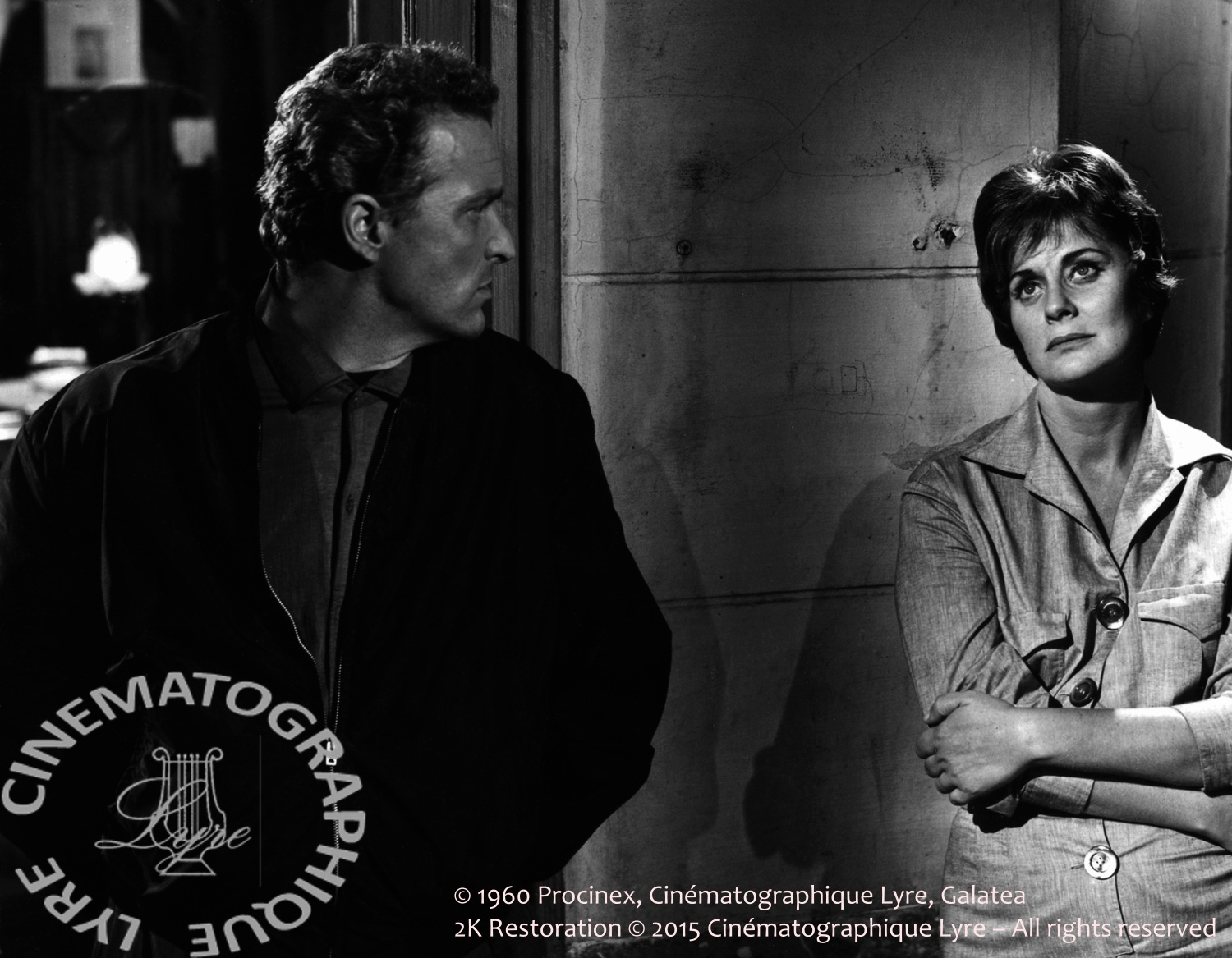
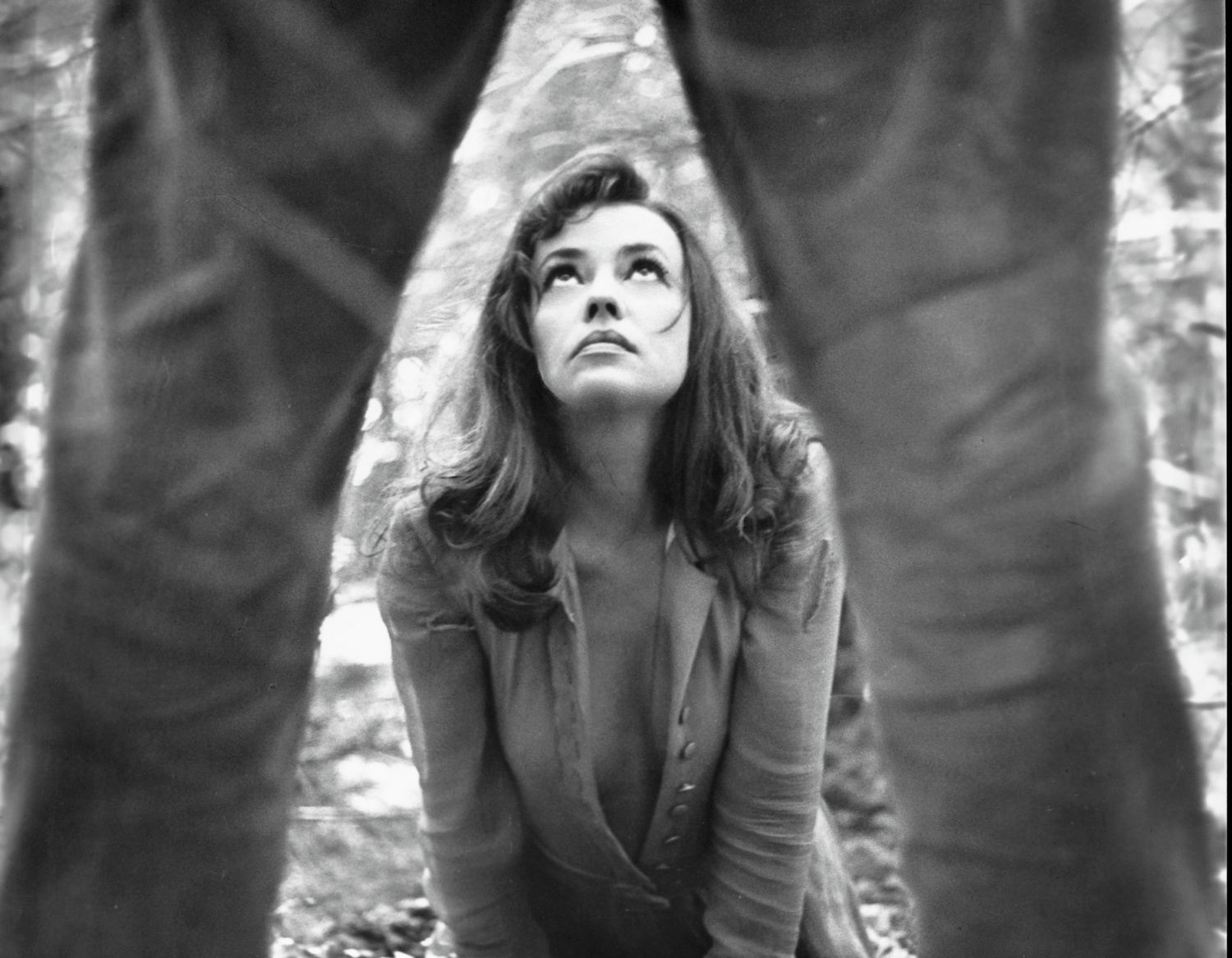
With experimental flair, and just as she did in print, Duras would return over and over again to topics including thwarted desire and one-sided love, privilege and class, memory, colonialism and isolated settings, often reflecting defining periods of her own life. Taboos would be foregrounded, and crueltytinged episodes would play out in sparse, haunting style. Consider Tony Richardson’s sleepy-township shocker Mademoiselle, where a schoolteacher’s secret acts of violence end up paralysing her desirous advances. Or Peter Brook’s Seven Days... Seven Nights and Henri Colpi’s The Long Absence, in which Duras’ measured scripts resonate with loneliness, loss and unreciprocated affection.
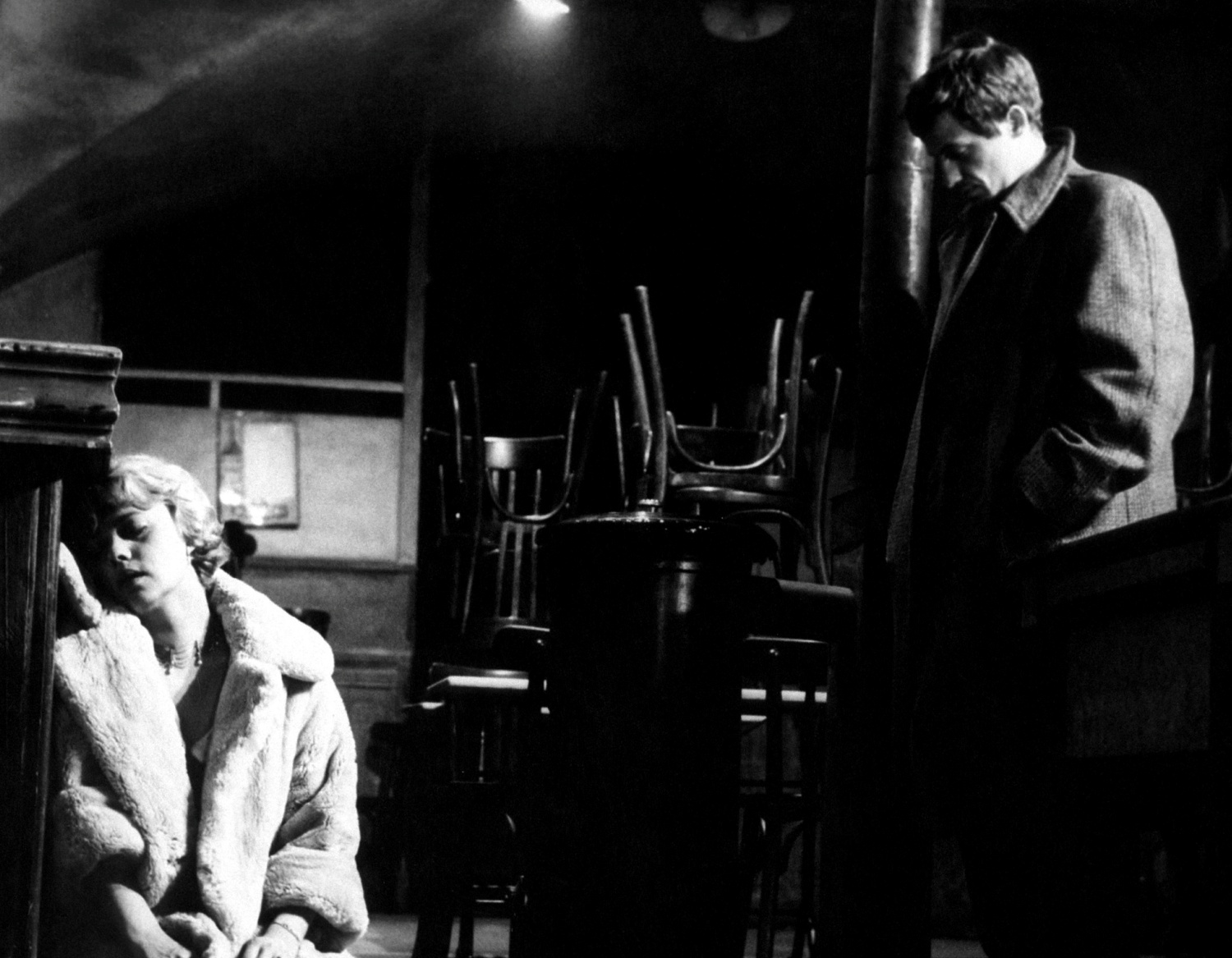
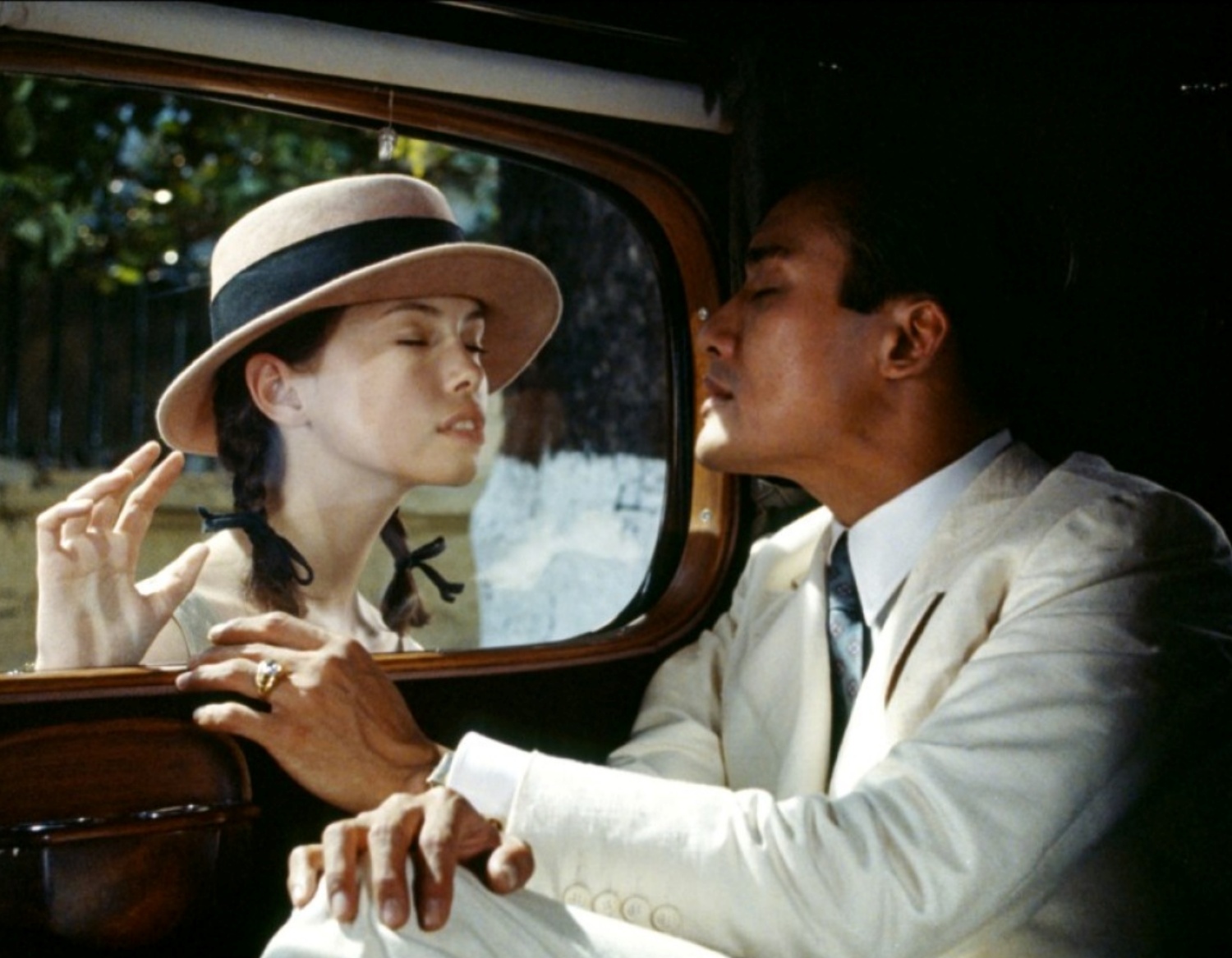
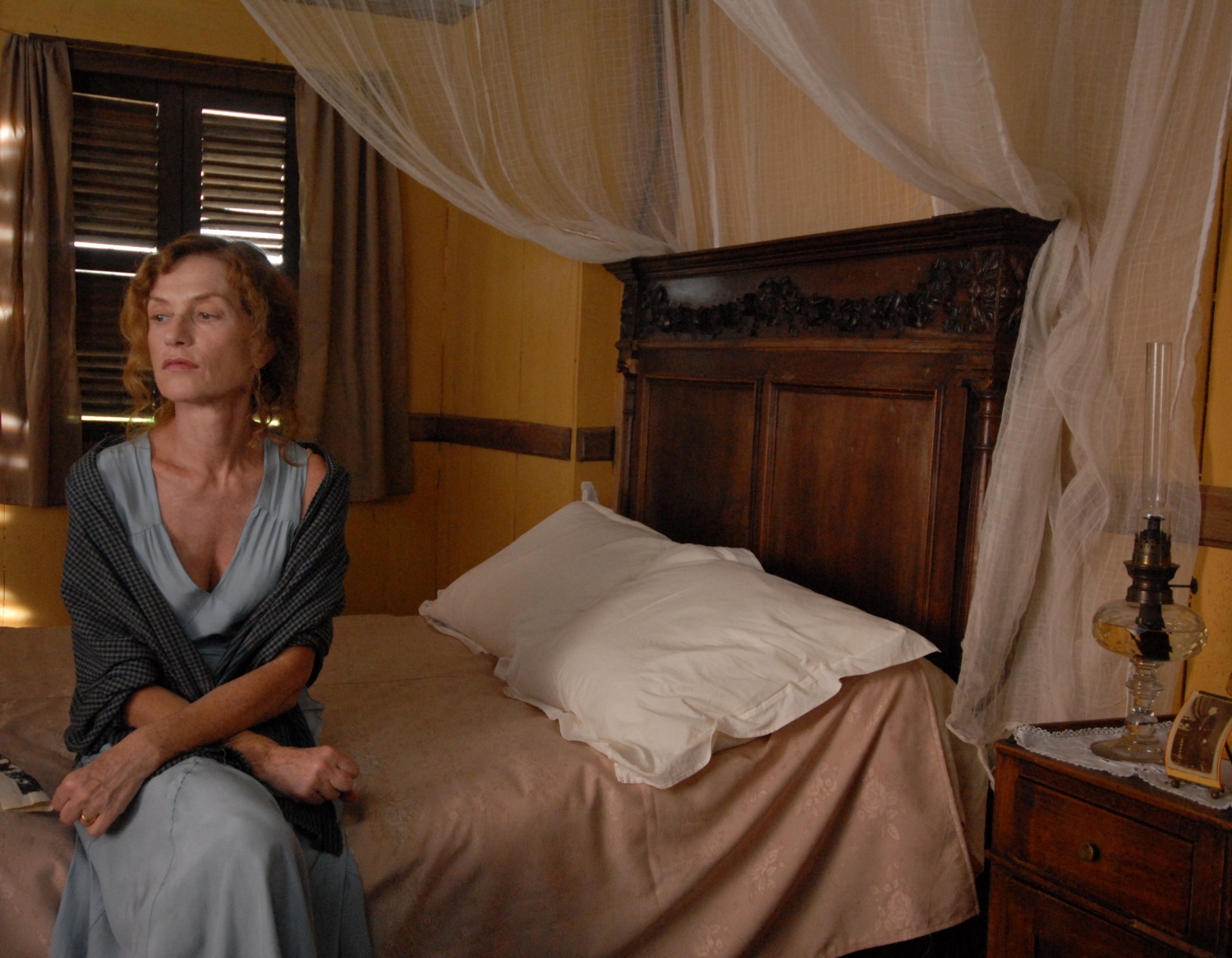
Seven Days... Seven Nights joined the list of films that adapted Duras’ previously published literary work – a lineage that started with René Clément’s 1958 picture This Angry Age. Others include Jean-Jacques Annaud’s The Lover and Rithy Panh’s The Sea Wall. Both of those drew on semi-autobiographical novels Duras had based on her youth in French Indochina, where tales of scandalous affection and icy viciousness emerged from the tropical heat.
Duras would become a director with La Musica in 1967, and hit her stride helming accomplished works like India Song. Experimentation remained a hallmark of her work in cinema – ‘When I begin a film, it is as if I am setting myself free from everything,’ she once said – and available too was the chance to realise big-screen interpretation of her work without seeing it filtered through other filmmakers. Any study of Duras’ directorial work is rewarding enough, but extending one’s survey to Duras’ screenplays and the adaptations ensures a fuller picture of her profound contributions to cinema.
Supported by