

Programme
The Melancholy of Existence – Béla Tarr’s Contemplative Cinema
‘When you gaze into the abyss, the abyss also gazes into you.’ (Nietzsche)
Béla Tarr’s (1955–2026) camera does not gaze into the abyss, but lives within it.
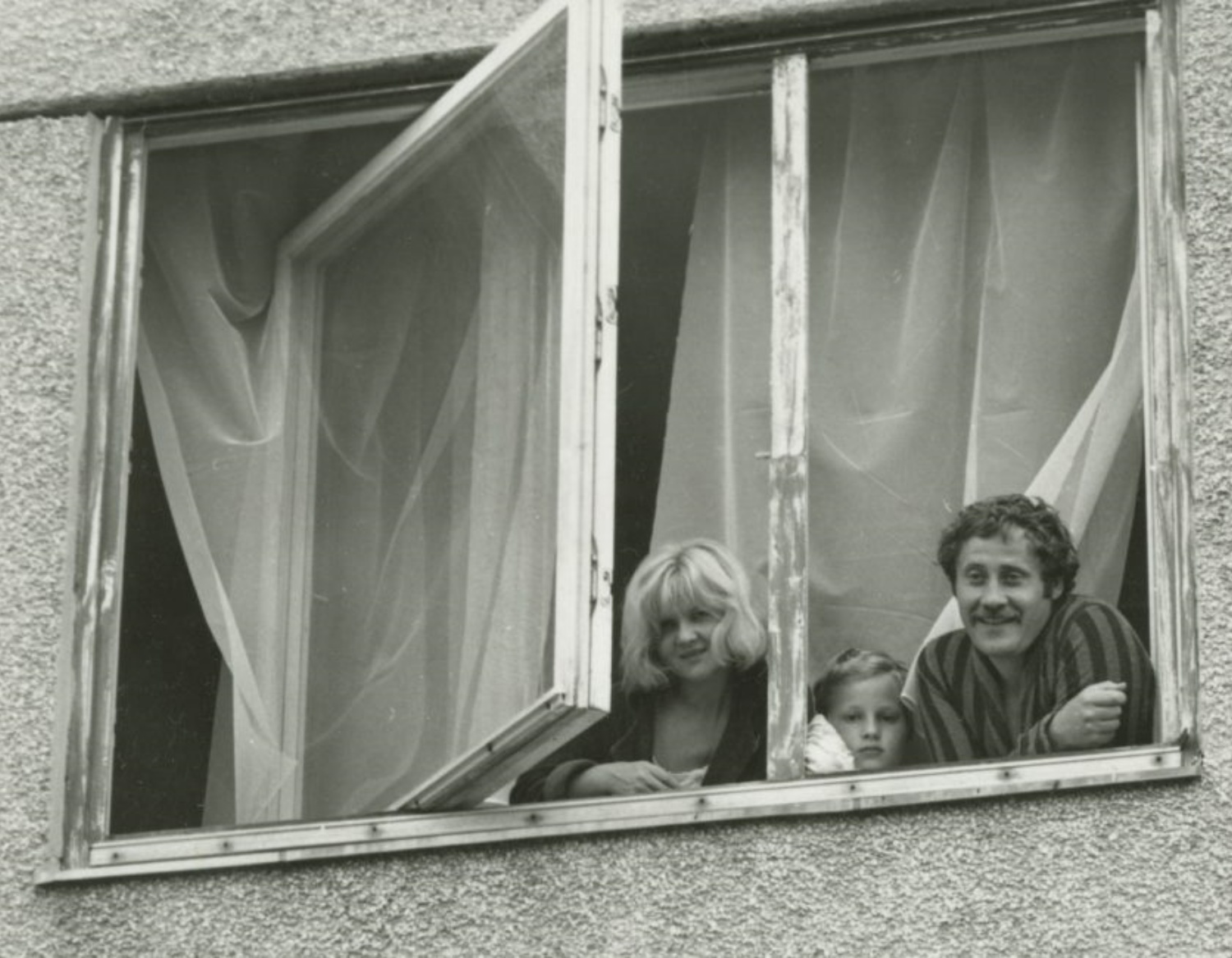
A cable car line glides slowly along the lowering skyline. A herd of cows wanders aimlessly through muddy fields. Tarr’s establishing shots, imbued with a captivating mystery, gradually draw us into the characters’ world – the loneliness of a man staring out of a window, and the inescapable isolation of the villagers. We see what they see, and feel what they feel. These landscapes of desolate beauty are merely spaces that surround, penetrate, or even reject them.
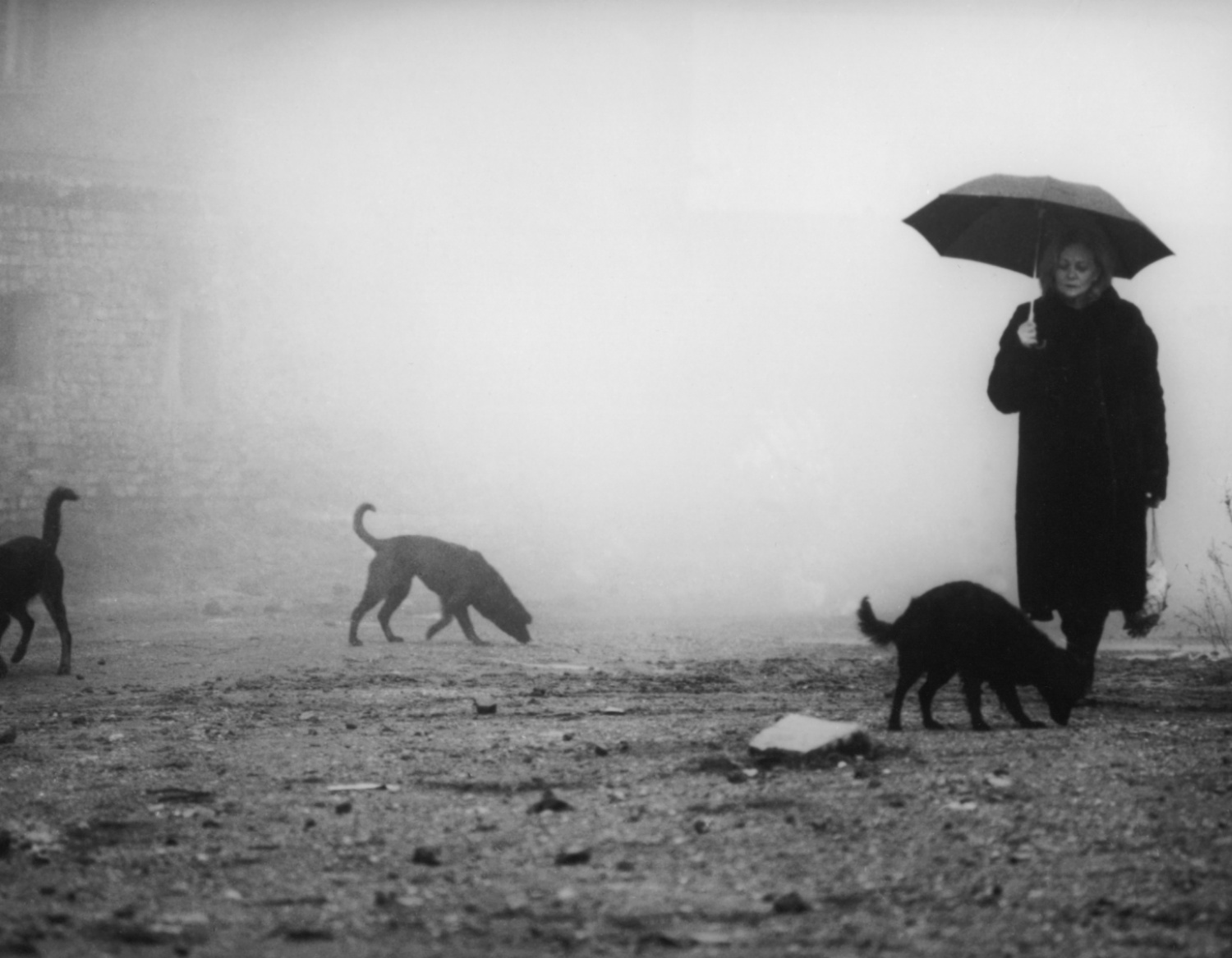
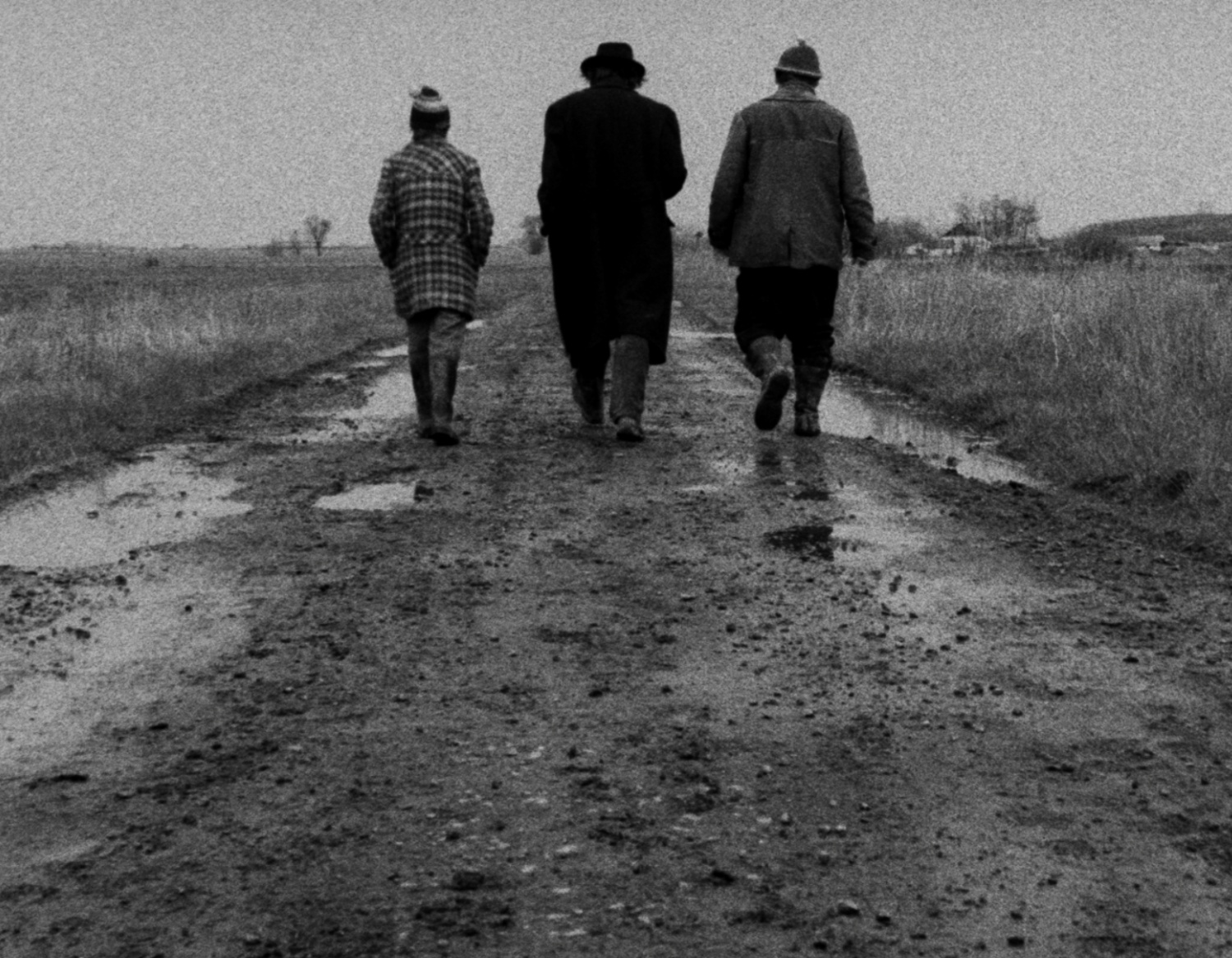
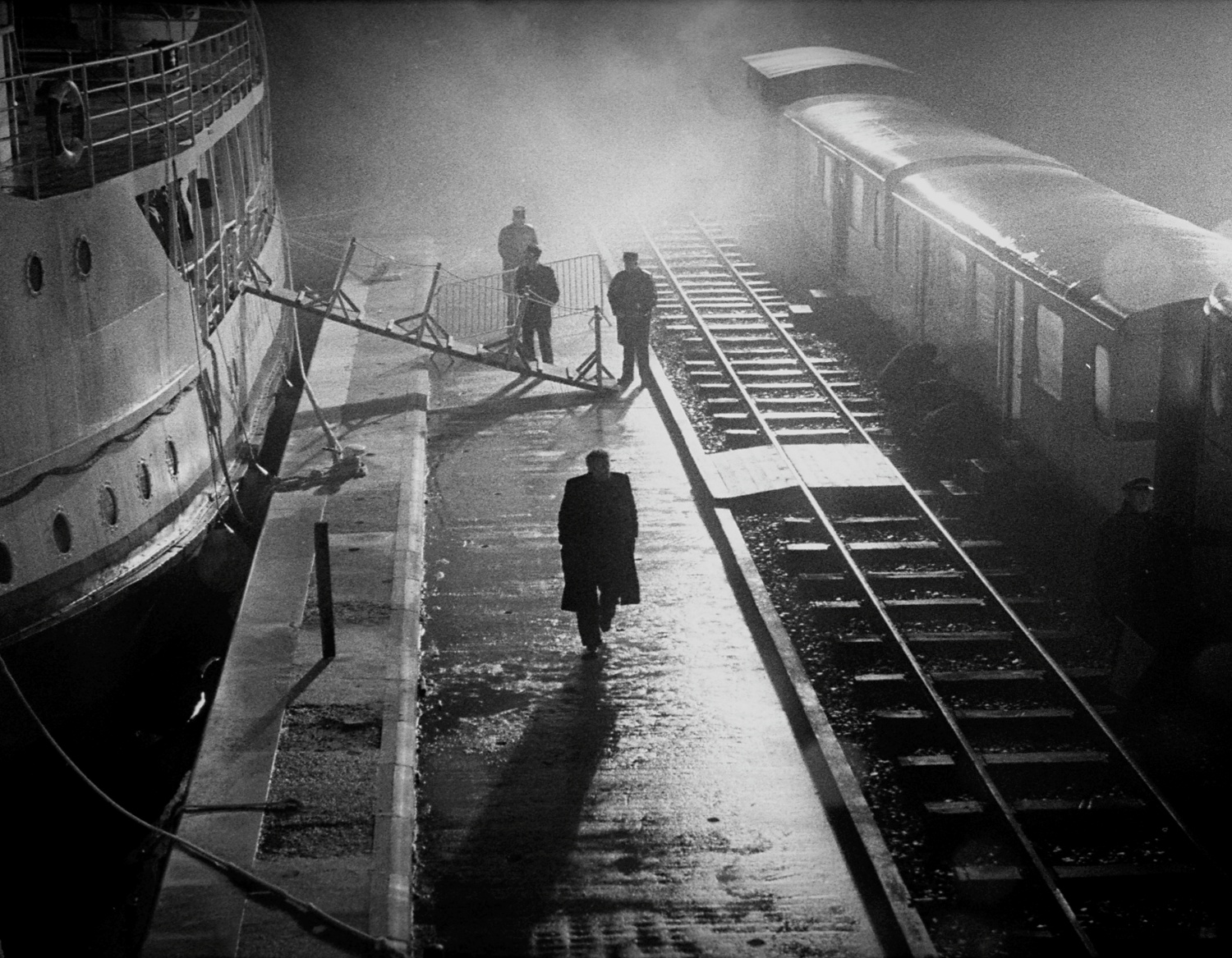
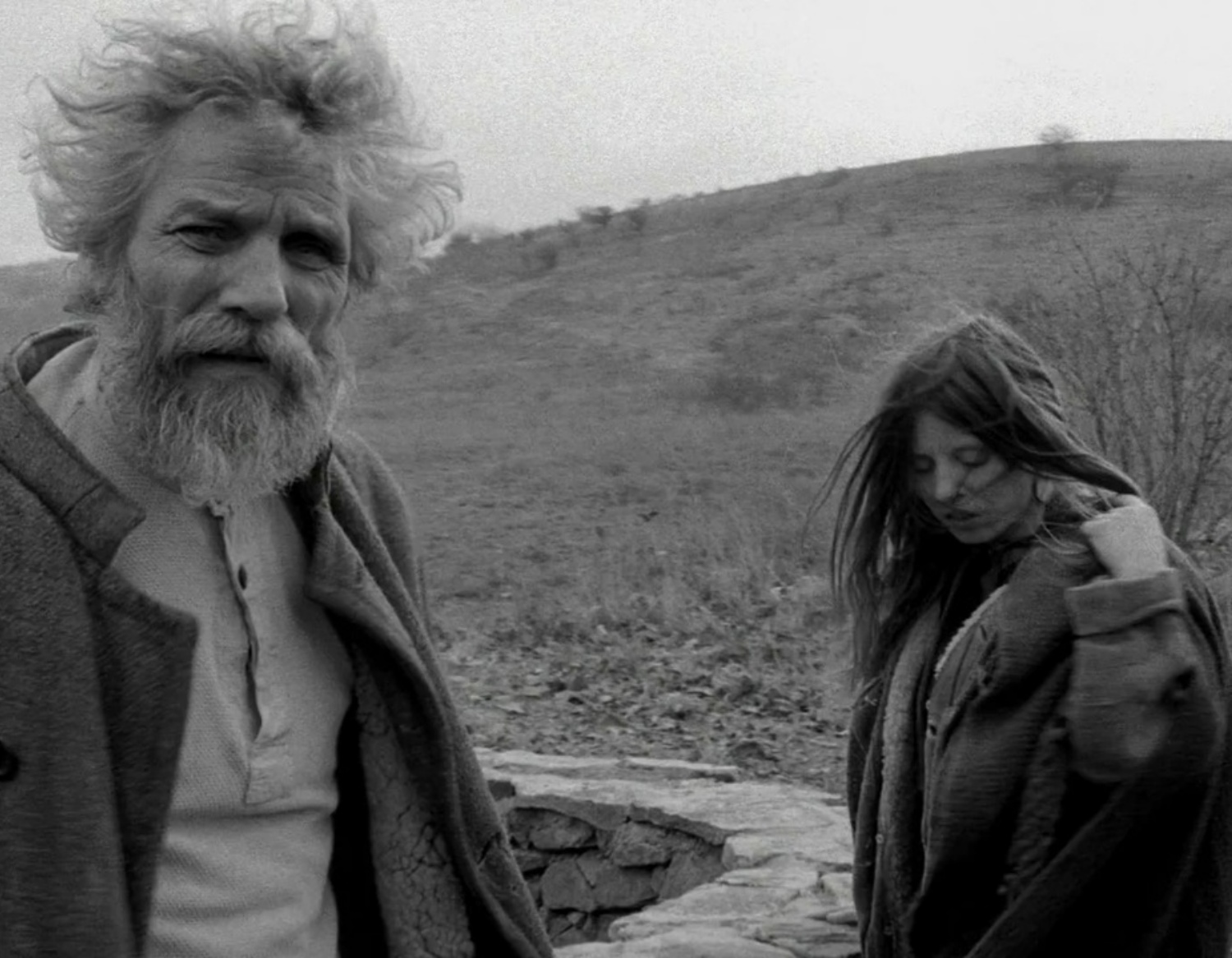
Rain, gale, and mist invade their gaze, and their very being. This is what Damnation has forewarned: ‘The fog seeps into every corner, it penetrates the lungs, and installs itself, at last, in the soul itself.’ In Satantango, the downpour has been transformed into an internal rain, that springs forth from the heart and floods the entire body and soul. Incarcerated by fate, all attempts at escape prove futile; in the end, all that remains is a puddle beneath the rain, from which the dogs drink. If the abyss had a voice, it would be the endless howling of the gale in The Turin Horse.
The Hungarian maestro’s approach to slow cinema goes beyond mere camera movement or aesthetic style; it represents a unique way of perceiving and reflecting on life and humanity. His exquisitely crafted long takes serve as an assemblage of ‘crystals of time’, embodying the cosmic passage as in Werckmeister Harmonies. These ‘time-images’ contain no fragments, let alone montage; each moment is a microcosm, and every sequence shot has a duty to the time of the world.
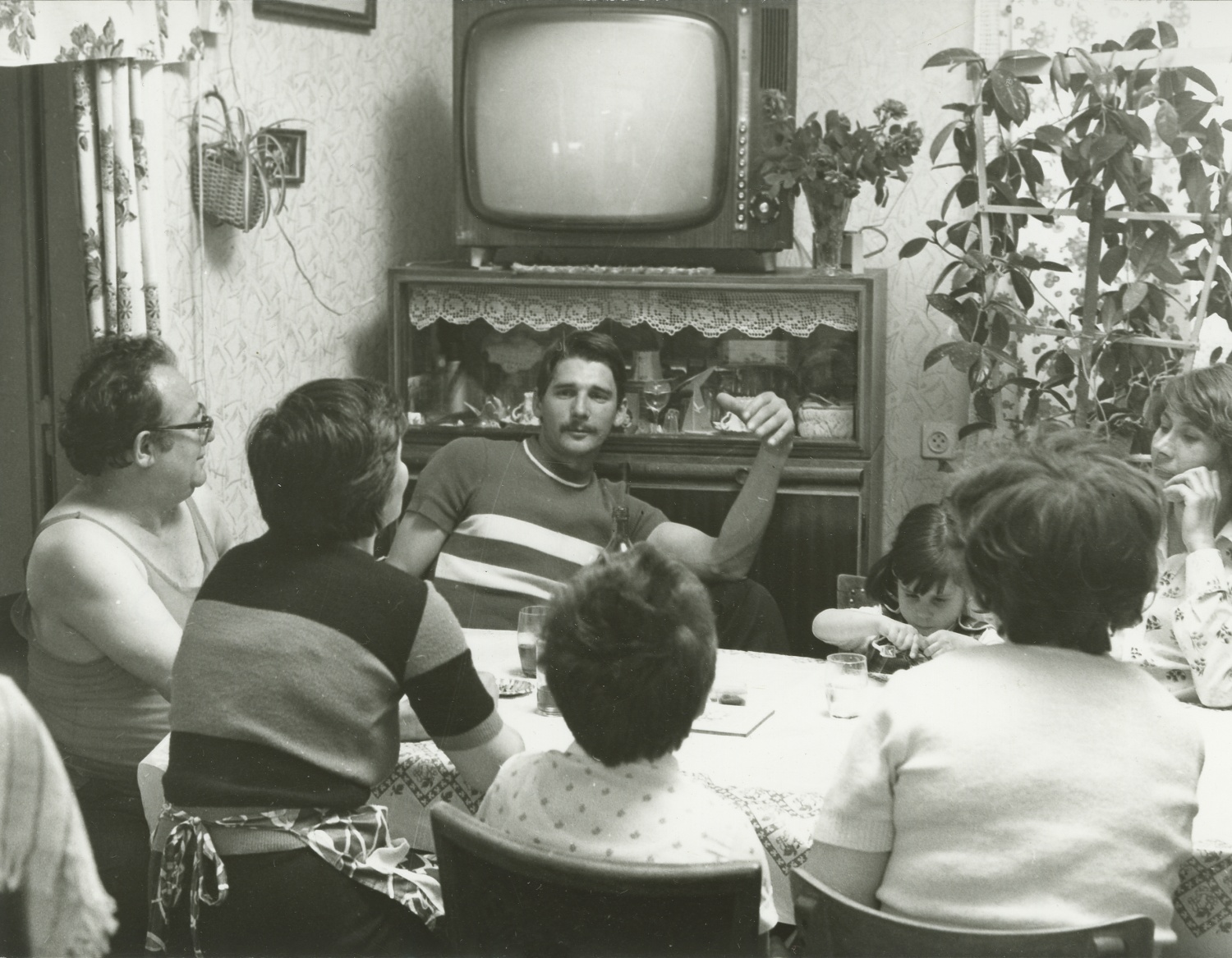
From social realist films to metaphysical and formalist works, Tarr reiterated that it is always the same film that he makes: the story of a broken promise, of a voyage that returns to its point of departure. The difference between Family Nest and The Turin Horse is that no explanation is worth anything anymore; it’s only the same horizon that urges individuals to leave and then sees them home again.
Trapped in an apocalyptic world, humanity finds itself lost in a never-ending cycle of despair, with life reduced to repetition until its final extinction. The dystopia created by László Krasznahorkai through convoluted and complex sentences is sublimated within Tarr’s melancholic, mesmerising, and profoundly meditative black-and-white imagery, made with the support of his wife and editor Ágnes Hranitzky. In this world, redemption is betrayed by love, kindness is devoured by madness, and existence dissolves into nothingness…
In the end, wind, water, horse, food, human, and light vanish one by one over the course of six days, plunging everything into utter darkness. What some might interpret as pessimism, nihilism, and despair are fundamentally Tarr’s profound musings into the ‘reality’ and revelation of human existence. It is only by walking through the valley of the shadow of death that one can truly embody human dignity.
‘All my movies are comedies!’ declared Tarr, ‘except The Turin Horse’. It’s only in the darkness of the abyss that one can see the brightest light. Tarr’s closing statement leaves behind a benediction for humanity itself.